
Costa Rica Photography Destinations: A Guide to Regions and Areas
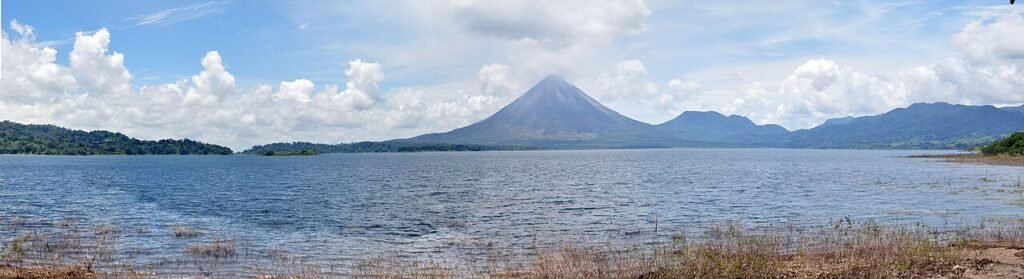
Featured photo: Arenal Volcano and Lake Arenal panorama by Kamran Saraf, CC BY 3.0. Resized; thumbnails may be cropped.
Costa Rica photography destinations range from cool mountain forests to lowland rainforest, wetlands and dry Pacific landscapes. Choose a route by the subjects and conditions you want to work with, then leave time to revisit places. Ten stops in ten days rarely give a photographer the same field time as a focused journey through a few complementary bases.
This guide groups ten useful destinations and areas for planning photography. They are not ten official administrative regions. The Costa Rican Tourism Board’s regional overview describes seven tourism regions; our selection follows the practical places photographers often compare.
Match your route to habitat
Start with your main subjects, walking preferences and the kind of setting you enjoy. A cloud forest visit and a wetland boat outing require different access arrangements and equipment handling. Add landscapes or macro sessions where they fit naturally into the route.
Use our bird photography destination guide for a bird-focused comparison. For choosing accommodation, read hotels and lodges in Costa Rica for photographers.
1. San Gerardo de Dota and the surrounding highlands
Research this area for cloud-forest photography and a focused mountain stay. Work with a local guide to understand access, distances and the day’s conditions rather than treating a species list as a guarantee.
Read our Resplendent Quetzal photography guide. The directory entries for Savegre Lodge and Batsú Gardens provide starting points for accommodation and session inquiries.
2. Sarapiquí
Sarapiquí is a useful area to research for lowland forest sessions, gardens and guided nature experiences. Different properties offer different access: a room, a trail visit and an arranged photography session are separate products unless the provider says otherwise.
Start with Selva Verde Lodge and La Selva Biological Station. Ask about independent access, guiding requirements and how a visit fits your photographic pace.
3. Boca Tapada
Boca Tapada offers another northern lowland base to investigate. Compare forest access, local outings and any arranged bird photography experiences directly with providers. Allow time to return to a setting when light or activity changes.
Explore the listings for Maquenque Lodge and Laguna del Lagarto Lodge. Ask what is included and whether particular sessions need advance booking.
4. Caño Negro
For wetland photography, investigate Caño Negro and the available water-based outings. Boat position, passenger numbers, weather protection and opportunities to stop affect how you work. Confirm the current route and conditions with the operator.
The directory includes Caño Negro Experience and Hotel de Campo Caño Negro. Clarify transport, meeting times and whether accommodation and boat guiding are booked together.
5. Arenal and La Fortuna
Consider this area when combining forest subjects with landscape photography and activities for companions. Compare the individual locations you want to visit; a general destination name does not tell you which trail, viewpoint or session will suit your needs.
Leave room for clouds and changing visibility in landscape plans. Confirm opening times, guide arrangements and any restrictions on equipment at each site before committing to a schedule.
6. Monteverde
Monteverde is a destination to research for cloud-forest settings. Choose specific reserves and access arrangements rather than assuming that all forest visits provide the same working conditions. Ask about group size, terrain and time for photography.
Moisture and low light influence how you work. Use our hummingbird photography field guide to prepare for perched portraits and changing backgrounds, while checking the rules of your chosen location.
7. Carara and Tárcoles
Compare forest and river outings as different experiences. A trail session allows a different approach from photographing on a moving boat. Clarify which sites are included, how much walking is involved and what you can carry.
The Johan Chaves Nature & Birding Tours listing is one local-guiding contact to research. Confirm the guide’s current operating area, availability and photography arrangements.
8. Osa Peninsula
Investigate the Osa Peninsula for an immersive rainforest stay with enough time for access and guiding. Choose the specific base and reserve visits before arranging transfers. Places within one peninsula can still require different transport plans.
Ask about walking distances, authorized routes and what happens when weather affects an outing. Avoid designing a demanding wildlife itinerary around the assumption that every day will operate identically.
9. Caribbean Coast
Separate the destinations within the Caribbean Coast when planning. Tortuguero, Cahuita and the southern coastal communities are not interchangeable bases. Choose water, forest or coastal sessions according to your priorities and access needs.
Research local conditions for your travel dates rather than applying one national weather rule to every area. Confirm the journey to your specific accommodation and the arrangements for your chosen photography sessions.
10. Guanacaste
Guanacaste adds dry-forest and Pacific coastal landscapes to a route. Decide whether your stay will emphasize wildlife, shorelines or inland outings; the distances between those sessions matter when selecting a base.
For coastal landscapes, account for changing light and local access rules. Avoid forcing long transfers into the same time you hoped to use for a patient field session.
Connect areas without rushing
Build around a few complementary habitats, with multiple nights where your strongest priorities lie. Treat transfers as part of the schedule and confirm actual travel arrangements before attaching precise times to an itinerary. Our Costa Rica photography trip planning guide helps turn priorities into a workable route.
Across every destination, follow the ethical wildlife photography guidance. Use the macro photography field guide to work with small subjects where you find them, without moving or restraining wildlife.
Detailed destination photography guides
Explore each area’s photographic priorities, access and role in a longer itinerary.
- San Gerardo de Dota Photography Guide
- Sarapiquí Photography Guide
- Boca Tapada Photography Guide
- Caño Negro Photography Guide
- Arenal and La Fortuna Photography Guide
- Monteverde Photography Guide
- Carara and Tárcoles Photography Guide
- Osa Peninsula Photography Guide
- Caribbean Coast Photography Guide
- Guanacaste Photography Guide
Frequently asked questions
Are these Costa Rica’s official regions?
No. This is a selection of photographic destinations and areas. Some sit within the same official tourism region.
How many areas should I include?
Choose according to your available days and priorities. Fewer bases with repeat sessions usually provide more working time than frequent hotel changes.
Can one area cover all photography interests?
One base can support a focused stay, but different habitats offer different possibilities. Use a second base when it adds something important to your goals.
Is one season best everywhere?
Conditions vary by area and date. Research the specific destinations in your route and leave flexibility for changing weather.
Should I reserve guiding before accommodation?
Check both together when a particular session is essential. Confirm guide availability and access before locking in the surrounding travel arrangements.
Explore Costa Rica’s natural story
Before choosing your route and accommodation, explore Costa Rica for Nature Photographers. The guide connects habitats, birds, migration, wildlife, plants and protected areas with the photographic interests that can shape your trip.
Explore the regional photography directory
Compare local context, photography interests, practical planning and verified provider profiles. These pages complement the destination guides above and help connect your interests with a suitable base.
- San Gerardo de Dota photography directory
- Sarapiquí photography directory
- Boca Tapada photography directory
- Caño Negro photography directory
- Cachí photography directory
- Los Santos photography directory
- Orosi photography directory
- Turrialba photography directory
- Bijagua photography directory
- La Fortuna / Arenal photography directory
- Monteverde / Santa Elena photography directory
- Maquenque photography directory
- Río Celeste / Tenorio photography directory
- Tortuguero photography directory
- Osa Peninsula photography directory
- Corcovado National Park photography directory
- Tárcoles / Carara photography directory
- Jacó / Herradura photography directory
For choosing dates and planning another journey, explore year-round photography in Costa Rica and a second photography trip.