
Carara and Tárcoles Photography Guide
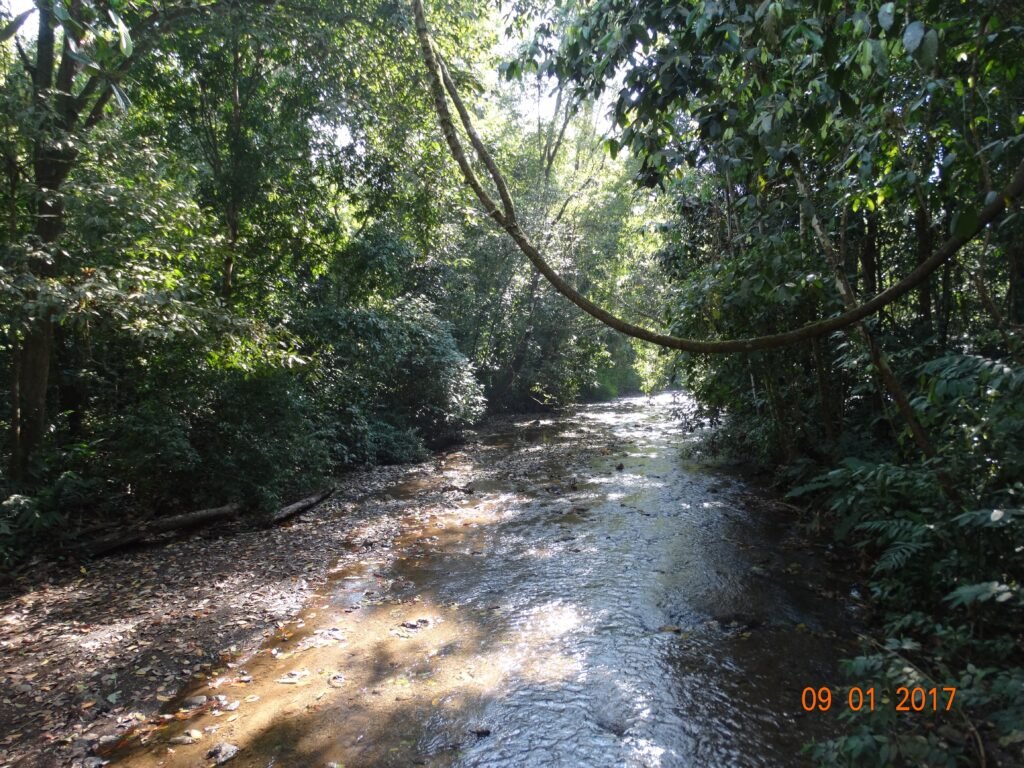
Featured photo: River in Carara National Park by Leon petrosyan, CC BY-SA 4.0. Resized; thumbnails may be cropped. This image and its resized/cropped versions remain available under this license.
Carara and Tárcoles photography combines two distinct working environments: forest trails and river outings. Carara National Park protects a transition forest where dry- and humid-forest species meet, according to SINAC. Choose your principal session first, then arrange the other as a separate experience with its own access and equipment needs.
Use the Costa Rica regions and destinations guide to compare this area with other habitats. Choose a few complementary bases rather than adding stops faster than you can photograph them.
Book the national park and river independently
Confirm park admission through the current SINAC instructions and arrange guiding for the exact route you want. A boat operator on the Tárcoles River handles a different activity; a river reservation is not park admission. Ask about meeting points and travel between visits. The Johan Chaves guiding listing is one contact to research for local nature and photographic interests.
Allow the forest to set the pace
Carara’s transition setting makes habitat an important part of the story. Study trees, openings and backgrounds instead of focusing exclusively on a close bird portrait. Tell the guide you want time to stop and observe. Do not leave authorized routes to improve a position. The bird destinations guide helps put this forest visit in a wider route.
Prepare differently for the river
Ask about passenger numbers, boarding, shelter and the scope for pauses. Keep equipment secured and choose shutter speed for boat movement as well as the subject. A longer lens helps maintain distance, while a wider view can show the river environment. Do not request feeding or dangerous approaches to produce a dramatic frame. Accept the operator’s limits.
Use specific accessibility information
SINAC describes a universal-access trail at Carara, but that does not make every park route, boat boarding or nearby activity equivalent. Ask about the actual session’s distance, surfaces and rest opportunities. Read the ethical guide and coordinate room location and transport so the itinerary fits everyone’s comfort and walking preferences.
Before confirming your route
- Identify the exact reserve, outing and meeting point.
- Confirm access, guiding and transport for your dates.
- Describe walking preferences and the equipment you carry.
- Allow time for weather changes and repeat sessions.
Frequently asked questions
Are Carara and a Tárcoles boat tour the same visit?
No. They are different experiences with separate admission or booking arrangements. Confirm the route and meeting point for each.
What is special about Carara’s habitat?
SINAC identifies it as a transition forest containing influences from dry and humid forest. That habitat context can shape environmental images as well as wildlife interests.
Is every activity in the area accessible?
No single description covers all activities. Request details for the specific trail and boat boarding arrangement, even when a park offers an accessible route.
Can I plan both sessions in one day?
Only after confirming travel, schedules and the time each session needs. Avoid compressing a forest visit and river outing so tightly that neither allows patient photography.
Planning reference: official destination or reserve information, reviewed October 8, 2026. Confirm current access and services before booking.
Compare the regional directory
Use these regional pages for local context, provider profiles and practical planning that complement this photography guide.