
Best Places for Bird Photography in Costa Rica
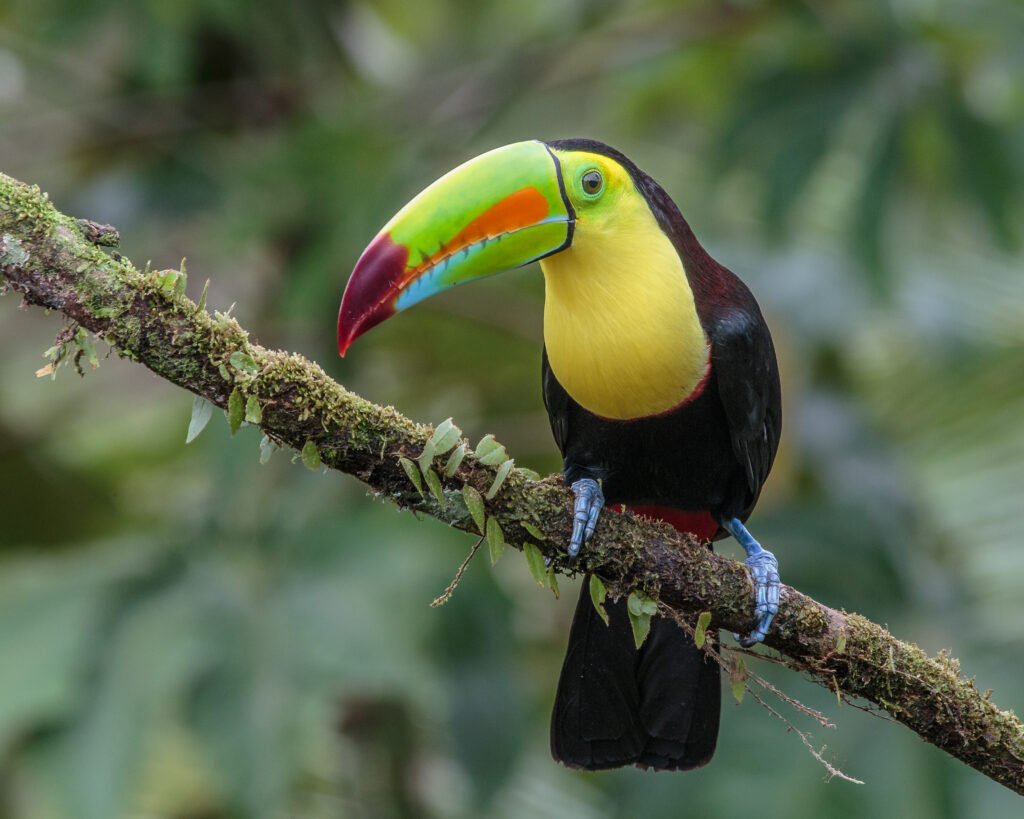
Featured photo: Keel-billed toucan in Costa Rica by Andy Morffew, CC BY 2.0. Resized; thumbnails may be cropped.
The best places for bird photography in Costa Rica depend on the photographs you want to make. Cloud forest, lowland rainforest and wetlands offer different subjects, light and working conditions. A productive itinerary gives you time to understand each habitat and return when the conditions improve.
San Gerardo de Dota and the Talamanca highlands
Choose the highlands when cloud forest birds and the Resplendent Quetzal are priorities. San Gerardo de Dota is a useful base for exploring the Savegre valley, while the surrounding mountain region includes Los Quetzales National Park. These are distinct destinations: access to a lodge reserve does not include national park admission.
Expect cool mornings, mist and rapidly changing light. Start with a local guide, leave room around the bird for an environmental portrait, and allow time for more than one outing. Explore the directory entries for Savegre Lodge and Batsú Gardens when planning your base and photography sessions. Confirm current access and arrangements directly.
Sarapiquí: rainforest photography
Sarapiquí offers a different photographic challenge: dense vegetation, humid conditions and birds that may remain in deep shade. Combine forest walks with patient observation at clearings and forest edges. A long species list does not automatically translate into unobstructed photographs, so tell your guide that light, backgrounds and time with a subject matter to you.
La Selva Biological Station and Selva Verde Lodge are starting points for researching local stays and visits. Check tour schedules, trail access and photography policies before traveling.
Boca Tapada: stay close to the forest
Boca Tapada suits photographers who want to spend several mornings in one area rather than move every day. Research lodges and photography experiences separately: a room reservation does not necessarily include a hide, a guided session or a particular setup.
The directory includes Laguna del Lagarto Lodge and Maquenque Lodge. Ask about the working distance, group size, natural perches and whether feeding is used. Choose operations that explain their wildlife practices clearly.
Caño Negro: a wetland perspective
Wetland photography adds open backgrounds and a different viewpoint to a forest itinerary. In Caño Negro, discuss the route and photographic priorities with your boat operator before departure. Water levels and conditions can change the experience; confirm local advice close to your visit.
On a boat, keep equipment secured, avoid sudden movements and agree on safe stops with the captain. A flexible telephoto zoom can help when the distance to a subject changes. Research Caño Negro Experience for local planning.
Carara and the Tárcoles area
Carara offers forest photography on the Central Pacific side of Costa Rica. Treat a national park walk and a river excursion as separate activities, with different permissions and working conditions. Check the official Carara information for current admission arrangements.
Balance time on shaded trails with opportunities in more open settings. A guide can help locate birds, but sightings, access and a clear photographic angle remain dependent on conditions.
How to choose your route
- Quetzals and cloud forest: prioritize the Dota highlands and allow repeat outings.
- Rainforest variety: consider Sarapiquí or Boca Tapada, with time for patient observation.
- Wetland images: add Caño Negro and discuss boat logistics in advance.
- Central Pacific forest: research Carara and nearby guiding options.
For a first trip, two or three complementary bases are often more useful than a long list of brief stops. Keep transfer days separate from your most important morning sessions.
Equipment and field practice
Bring a telephoto lens you can comfortably carry, rain protection, spare batteries and a dry bag. Use a shutter speed suited to the bird’s movement, check exposure on the plumage and accept higher ISO when that helps preserve a sharp image. In dark forest, support can be useful when the subject is still; on a moving boat, mobility may matter more.
Stay on permitted trails, respect private land and give birds space. Avoid crowding nests, moving branches or using calls to force a response. Follow the guide’s instructions and the reserve’s rules.
Plan around photography
Use the directory to compare local guides, lodges and experiences, then verify services, rates and availability directly. If you prefer help assembling the route, explore Physis Photo Tours. Share your target subjects, walking preferences and the time you want to spend in each location.
For a focused highland session, read Photographing the Resplendent Quetzal in Costa Rica.
Planning references
Regional context: SINAC and ICT birdwatching guide. Highland habitat: Los Quetzales National Park. Sarapiquí bird records: La Selva bird count project. Information checked October 8, 2026; confirm operational details before booking.