
Bird Migration in Costa Rica: Planning for Migrants and Raptors
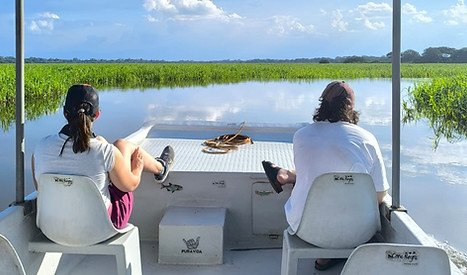
Featured photo: Caño Negro Experience official photograph. Reproduced with permission. Illustrative photograph of the destination or subject; it does not represent every provider or imply a recommendation. Resized; thumbnails may be cropped.
Bird migration adds another dimension to Costa Rica photography: the country is part of a land corridor linking North and South America. For planning, distinguish birds passing through from those spending a nonbreeding season in the region. Then separate the spectacle of a distant migrating flock from the conditions needed for a detailed photograph.
Why geography matters
Costa Rica’s position within the Central American isthmus makes it relevant to migration across the Americas. Coastal plains, mountain ranges and the sea influence the paths birds use. Different species and seasons do not necessarily follow the same route. A map of one raptor concentration should not be interpreted as a national map for every migrant.
According to Tejeda-Tellez’s 2014 Cotinga study, available through Hawk Mountain Sanctuary, Kéköldi on the southern Caribbean slope is a significant raptor migration concentration site. It describes the coastal lowlands between the Talamanca mountains and Caribbean Sea as a concentration area. That historical study is evidence of the corridor’s significance, not a forecast of the number of birds you will see on a particular day.
The Cornell Lab of Ornithology’s Center for Avian Population Studies explains that its eBird analytics examine bird distribution and movement through time. That is the right planning perspective for migration: species, location and period together, rather than a single country-wide promise.
Choose the migration experience you want
A raptor watch is an exercise in scanning, identification and patience. Birds may be high above you or far from a viewpoint. Sometimes the strongest image is the pattern of a flock within the sky rather than an individual portrait. A trip focused on migrants feeding or resting in habitat requires a different approach, with attention to locally used forest, wetland or coastal sites.
Discuss these differences before booking. Do you want to witness passage, photograph flight, or spend time with smaller migrants? Each goal affects your dates, viewing locations and the amount of waiting that feels worthwhile.
Plan by species and direction
Southbound and northbound passage are separate planning questions. The Kéköldi study of spring 2010 recorded variation in timing among raptor species and noted that some populations can use different routes between seasons. Avoid choosing a trip from a single generic phrase such as “migration month.” Consult recent observations and local specialists for the species and route you care about.
Keep several field sessions available rather than relying on one arrival day. Weather, flight height and distance affect photographic opportunities, even when migration is occurring. Historical counts and their peak dates describe the years sampled; they do not establish a current visitor schedule.
Connect the corridor with a practical base
The Caribbean coast guide helps place southern Caribbean research within a broader trip. If visiting an Indigenous territory or community-managed viewpoint, arrange access with the people responsible, confirm guiding and respect current conditions. Do not assume historical research infrastructure is open to visitors.
For a wider itinerary, compare the regional destinations and existing bird photography locations. A wetland session and a migration viewpoint serve different purposes; choose both only when travel time and your interests justify them.
Prepare for distance and changing light
Bring binoculars if available, a comfortable way to scan and appropriate protection from sun and rain. Practice flight tracking before traveling, and choose a lens you can hold or support for a long watch. Avoid chasing a low bird or disturbing a roost for a closer frame. A portfolio built around behavior and habitat can remain rewarding when close flight images do not materialize.
Frequently asked questions
Is migration the same as the winter presence of migrants?
No. Passage describes movement through an area; nonbreeding residence describes birds staying for part of a season. Plan for the experience you want.
Can a migration count predict my photographs?
No. Counts document observed birds under specific conditions. Distance, light and flight height can make photography difficult even during substantial passage.
Should I book Kéköldi access independently?
Confirm arrangements with the responsible community or an authorized local provider. Research accounts do not establish current visitor access.
Which dates should I choose?
Start with your target species and migration direction, then use current regional observations and local advice. Leave room for several sessions.
Compose a trip around your photographs
Tell Physis your travel dates, photographic interests, preferred pace and comfort needs. Those details help shape the stays, transport and time in the field around the images you want to explore. Explore the Costa Rica nature photography guide and compare hotels and lodges for photographers, then compose your private Costa Rica photography itinerary.
Reference for the natural history or planning context: Cotinga research on spring raptor migration at Talamanca. Conditions and access should be checked for your actual travel dates.