
Two Coasts, Different Stories: Photographing Costa Rica’s Pacific and Caribbean
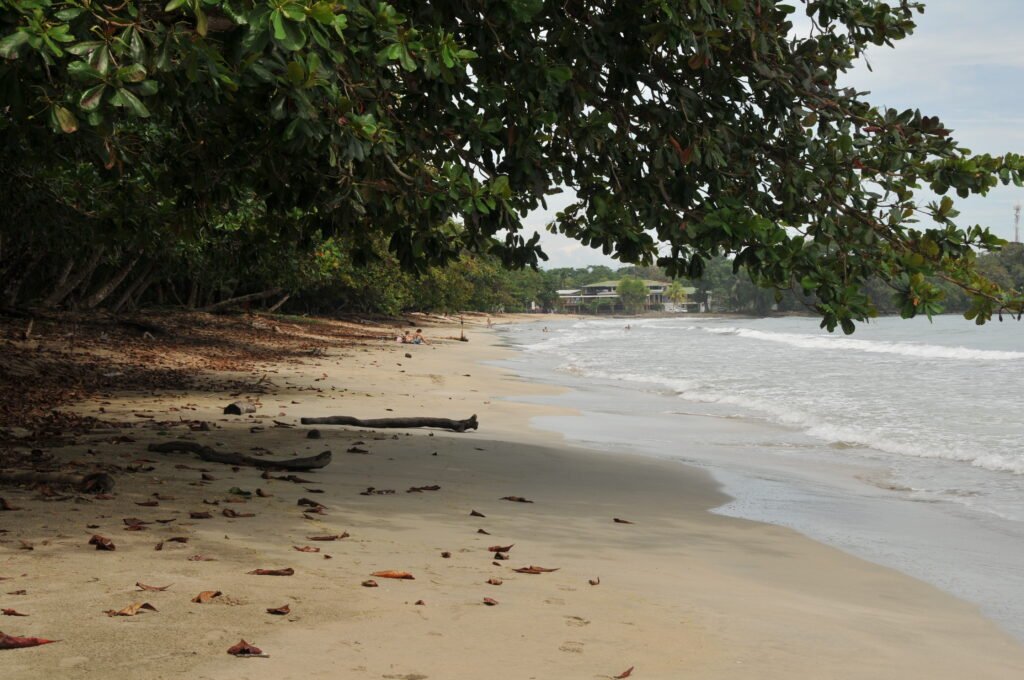
Featured photo: Cahuita National Park Caribbean coast by Manuel Velazquez, CC BY 3.0. Resized; thumbnails may be cropped.
Costa Rica faces the Pacific Ocean and the Caribbean Sea, which is part of the Atlantic system. For photographers, the useful comparison goes beyond choosing a sunrise or sunset beach. Regional climate, forest, wetlands, coastal access and travel time shape what you can explore on each side.
The Costa Rica Tourism Board (ICT) identifies both Pacific and Caribbean beaches within a wider range of natural environments, including rainforests and dry forests. Coast choice is therefore a starting point; the particular habitat and region determine the photographic story.
The Pacific is a range of environments
Northwestern Costa Rica includes seasonally dry forest landscapes. Farther south, humid forest and coastal environments offer a different visual character. Describing the entire Pacific coast as one habitat conceals those differences. Choose the specific region and activity that match your interests before deciding which coast is “best.”
Compare Guanacaste with the Osa Peninsula. They are separate planning choices, with different travel demands and environmental contexts. A route that includes both needs enough time to make the transfers worthwhile.
The Caribbean has its own rainfall rhythm
The Caribbean side does not share the same consistently defined dry season as the Pacific. According to IMN’s 2019 national climate profile, Pacific and Caribbean rainfall regimes differ, with regional patterns shaped by mountains and oceanic influence. A month described as wet on one side may have different conditions on the other; neither description guarantees your daily weather.
Use the Caribbean coast photography guide to begin planning actual bases and outings. Follow current forecasts and local advice before choosing a trail, boat activity or coastal session.
Build different visual stories
On either coast, a broad seascape can establish place, while roots, water surfaces, leaves and wildlife provide closer detail. Where permitted access allows it, study the relationship between coastal vegetation and the shore. Do not assume every beach has mangroves or that all coastal forest offers easy wildlife viewing.
For sunrise or sunset, inspect the orientation of the particular shoreline and your available viewpoints. A coastline bends, headlands interrupt views and clouds alter the light. Choosing the Caribbean does not automatically give you a clean sunrise composition; choosing the Pacific does not automatically provide an unobstructed sunset.
Water changes both access and composition
Tide, river conditions and waves can determine what is safely accessible. Consult your local operator for boating conditions and keep equipment protected from spray. A low camera angle should never require stepping into an unsafe margin or disturbing wildlife. Photographs from a boat also involve movement and a restricted ability to reposition.
Look for reflections, repeated patterns and the direction of animal movement. A long lens isolates a distant subject; a wider view explains the habitat. Use the habitat guide to decide which combination supports your story.
One coast or both?
Choose one coast if your time is limited and its environments already fit your goals. Add the other when it offers a meaningful contrast and you can preserve enough field time on both sides. A cross-country transfer uses time and energy even when the map looks compact.
Place lodgings close to your main outings, confirm the actual access route and ask about alternatives for poor conditions. An unhurried coastal base can be more productive than a rushed comparison of two sides. Your route should help you observe the differences, rather than simply record that you visited both.
Frequently asked questions
Does Costa Rica have two oceans?
It has a Pacific coast and a Caribbean coast. The Caribbean Sea belongs to the Atlantic system; that is the precise geographic distinction.
Which coast is better for wildlife photography?
The answer depends on habitats, subjects, access and dates. Compare particular destinations rather than treating each coast as one uniform environment.
Can I include both on a short trip?
It may be possible, but transfers can reduce field time. Decide whether the photographic contrast justifies the movement.
Can I rely on coast alone for sunrise or sunset?
No. Check the orientation and access of the actual viewpoint, along with current weather and safe conditions.
Reference for the natural history or planning context: Instituto Meteorológico Nacional climate atlas. Conditions and access should be checked for your actual travel dates.
Two coasts do not require two rushed visits
Costa Rica Pacific and Caribbean photography works best when each coast contributes a different intention to your story. A waterway session, a forest walk and a wider coastal composition demand different preparation. Do not assume that crossing the country is the only way to create variety.
For the Caribbean, explore the Tortuguero canal and forest directory. On the Pacific, compare Tárcoles and Carara, Jacó and Herradura and the Osa Peninsula. They are distinct planning choices rather than interchangeable “coastal stops.”
Give each selected base useful field time. A change in conditions may make a return to the same place more rewarding than another transfer. Discuss activity start points, equipment and access with each provider before deciding the number of stops.
If your available time supports only one coast comfortably, save the other for a future journey. Our second-trip planning guide explains how a return can develop a different project rather than repeat a checklist. A purposeful route is measured by the time and attention it gives your subjects.