
Wildlife in Context: Costa Rica’s Environmental Portraits
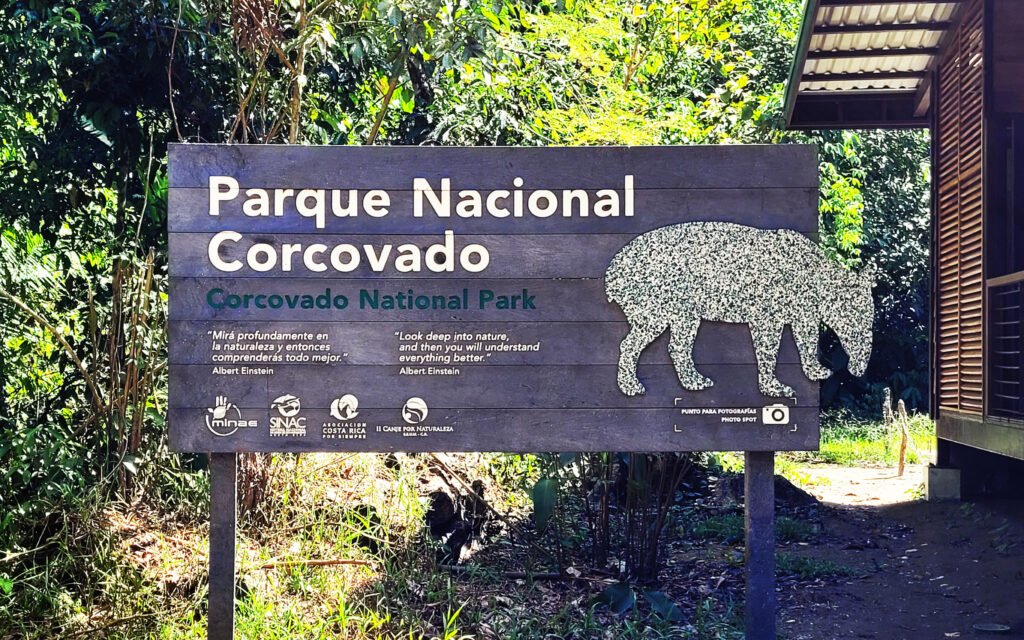
Environmental wildlife photography in Costa Rica asks a different question from a close-up: what does this animal’s world look like? A smaller subject within a meaningful setting can reveal forest layers, river margins or the relationship between an animal and its surroundings. It is a rewarding companion to portraits.
SINAC: SINAC’s park information documents contrasting protected habitats across Costa Rica.
Keep the surroundings purposeful
A habitat image still needs a clear subject or visual idea. Look for a branch that leads toward the animal, a patch of light or repeating shapes that make its position readable. Avoid including the whole scene merely because you can. The best amount of space depends on what that space explains. Review the edges of the frame and consider whether bright leaves pull attention away from the encounter.
Let distance become part of the photograph
A distant animal is not automatically a failed opportunity. Before cropping heavily, see whether the wider frame tells a story about scale or habitat. Use available focal lengths without approaching to force a close view. Photograph only behavior you actually observe and be precise in captions: an animal looking in one direction is not evidence of a dramatic event you did not witness.
Build variety across ecosystems
Compare lowland forest, cloud forest and wetland settings when planning a route. The Osa Peninsula, Sarapiquí and Monteverde suggest different photographic environments, with distinct access arrangements. Investigate them through the regional guides and confirm current activities directly. Pair a wildlife session with a habitat walk when the schedule allows. That way the landscape and details can support the animal photographs rather than becoming unrelated extras.
Recommendations for your visit
- Make one wider image before deciding that more reach is essential.
- Use captions to explain the real setting and observed behavior.
- Allow the subject to leave; a complete story does not require a close encounter.
Connect the subject with your route
Compare Osa Peninsula, Sarapiquí. Check current access, services and conditions directly before finalizing plans.
Continue with Wildlife behavior and habitat, Costa Rica’s habitats.
Questions photographers ask
Is a smaller animal in the frame less valuable?
No. It can communicate scale and habitat more clearly than a close portrait.
Do I need a wide-angle lens?
Not always. A telephoto lens can also frame an animal with meaningful surroundings.
Can I combine this with bird photography?
Yes. Birds within forest, wetland or coastal scenes can follow the same approach.
How should I caption a habitat image?
State the verified location and what you observed. Avoid invented behavior, identification or claims of rarity.
Illustrative photo: Corcovado National Park on the Osa Peninsula by Bernard Gagnon, CC0 1.0. Resized; thumbnails may be cropped. This image and its resized/cropped versions remain available under that license. It illustrates the setting or subject; it is not presented as an example of every technique discussed.