
One Costa Rica Trip, Several Photographic Interests
A Costa Rica trip can support several photographic interests when the route gives each one enough time. Bird photography is a must for many nature travelers, but it need not define every session. Macro details, wildlife in context, forest landscapes, water movement and an appropriate evening activity can add depth to the same journey.
Costa Rica Tourism Board: The Costa Rica Tourism Board explains that seasonal conditions differ between regions.
Choose a primary interest and two companions
Start with the photographs you most want to explore, then choose complementary approaches. Birds plus macro and forest landscapes form one possible combination; birds plus wetlands and coastal motion form another. These are planning ideas, not fixed itineraries. Explain your experience, carrying comfort and preferred pace so that the route can support real sessions rather than a checklist of techniques.
Select contrasting bases without overloading the route
A highland base and a lowland base can introduce different habitats; a coastal stay may add another visual setting if travel time permits. More bases also mean more packing and transfers. Ask for actual route estimates and avoid placing your most important session after a demanding move. Repeated mornings at one location can be more valuable than a sequence of single-night stops that leaves no opportunity to adapt.
Allow the day to reveal its own possibilities
Use a flexible plan: a bird session may also reveal a wider habitat picture, while a slow walk may invite small-subject photography. A night-sky session needs separate permission and suitable conditions; it should remain optional unless it is the main purpose of the trip. If another region or technique does not fit comfortably, save it for a return visit. Costa Rica’s variety is a reason to travel thoughtfully, not to exhaust every possibility at once.
Recommendations for your visit
- Rank your interests before choosing regions and accommodation.
- Reserve dedicated time for the new technique you want to explore.
- Keep room for weather, natural behavior and repeat sessions.
Connect the subject with your route
Compare Regional directory guide, Lodging guide. Check current access, services and conditions directly before finalizing plans.
Continue with Trip planning, A second photography trip.
Questions photographers ask
Can ten techniques fit comfortably into a short visit?
Usually it is more useful to choose a few priorities and give them meaningful time. The actual route determines what is realistic.
Should I book the most destinations possible?
No. Compare the field time you gain with the time spent moving between bases.
Can companions with different interests enjoy the route?
Consider their pace and interests from the beginning, rather than adding them after the photography schedule is fixed.
What should I save for another trip?
A contrasting habitat, a specialist subject or a technique that deserves more time can provide a clear purpose for a return journey.
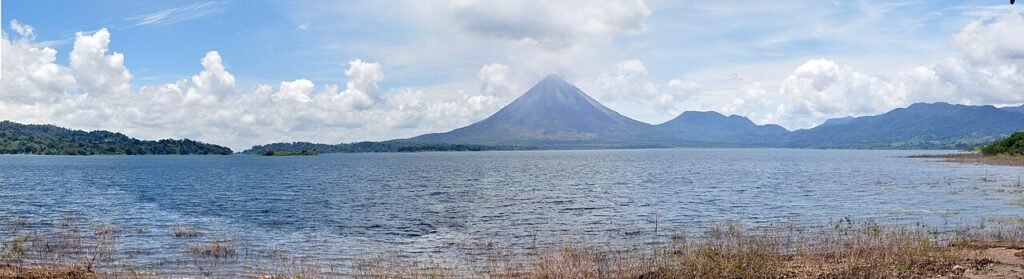
Illustrative photo: Arenal Volcano and Lake Arenal panorama by Kamran Saraf, CC BY 3.0. Resized; thumbnails may be cropped. This image and its resized/cropped versions remain available under that license. It illustrates the setting or subject; it is not presented as an example of every technique discussed.