
Costa Rica’s National Parks and Protected Areas: A Photography Planning Guide
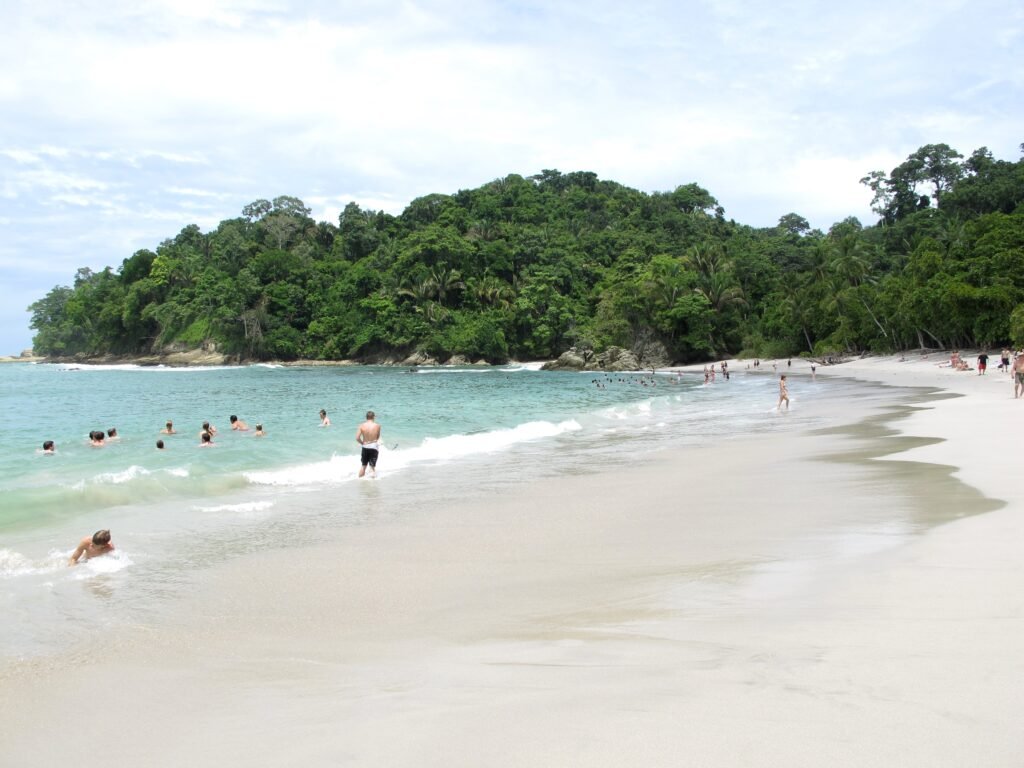
Featured photo: Manuel Antonio National Park beach and coastal forest by Keagiles, CC BY-SA 3.0. Resized; thumbnails may be cropped. This image and its resized/cropped versions remain available under this license.
Costa Rica’s protected areas help conserve the environments that make nature photography possible. To plan a visit, choose the habitat and experience first, then investigate the actual access conditions. A famous park name alone does not tell you whether its visitor hours, terrain or viewing possibilities fit the photographs you want to make.
Understand the protected-area categories
According to SINAC’s official protected-area information, management categories include national parks, biological reserves, wildlife refuges, wetlands and other protected areas. Their conservation purposes and access arrangements differ. A private tourism property, a privately managed reserve and an officially declared protected area are not automatically the same kind of place.
Check how the specific site describes its status and who manages visitor access. Do not assume that a place with “reserve” in its name follows the same entry system as a national park, or that every protected area allows recreational visits.
Choose habitat before reputation
A forest walk, a wetland boat outing and a coastal trail make different demands on your camera work. Compare canopy cover, likely viewing distances and the ability to pause. The habitat photography guide helps connect these environments with visual goals.
For practical regional context, research Carara and Tárcoles or the Osa Peninsula. A boat activity near a park is not necessarily a visit inside it, and nearby accommodation does not automatically include park admission.
Confirm rules before designing the session
Use the current official site or responsible operator to check reservations, visitor hours, permitted routes, guiding requirements and closures. These conditions can change. Avoid building a dawn or after-dark session inside a site whose published access does not allow it.
Ask about photography equipment when it affects access: tripod use, large bags, flash, drones or activities that go beyond an ordinary visitor’s personal photography. Do not assume a visitor ticket authorizes a commercial production. Obtain the applicable guidance for your actual activity.
Match the terrain to your group
Investigate gradients, surfaces, route length, transport and available rest points. An accessible visitor area does not mean every trail has the same conditions. Carrying a telephoto lens can change what feels comfortable, especially with heat, humidity or wet ground.
Tell your guide about your preferred pace and companions’ needs. A shorter permitted route with time to observe may suit the trip better than the longest available walk. Use the trip planning guide to make these choices before committing.
Costa Rica’s responsible wildlife tourist guide, developed with SINAC and MINAE participation, asks visitors to respect natural behavior and avoid touching or feeding wild animals. Those principles remain relevant whether your outing is inside a national park or on another property with authorized access.
Conservation continues outside the park gate
Forest connections, surrounding landscapes and community-managed land can matter to wildlife, while each place has its own permission and visitor conditions. Respect property boundaries and avoid assuming that an animal’s presence gives you a right to enter.
Photograph from permitted areas, keep distance from nests and leave plants and animals undisturbed. The ethical photography guide translates that responsibility into practical decisions.
Build a workable visit
Choose a nearby base, confirm the entry procedure and reserve enough time for the route and return journey. Keep an alternative activity for closures or unsuitable conditions. A successful planning decision is one that supports a safe, respectful session; it does not need to maximize the number of protected-area names on your itinerary.
Frequently asked questions
Does every protected area allow visitors?
No. Management purpose and access differ. Check the specific site’s current visitor information before planning an outing.
Does my lodge booking include park entry?
Do not assume so. Confirm admissions, reservations, transport and guiding separately or in the written package details.
Can I enter before opening time for better light?
Only with the required authorization where such access is permitted. An ordinary visitor ticket does not override published hours.
Are private reserves less useful for photography?
Their suitability depends on habitat, responsible management and actual visitor conditions. Compare the experience rather than judging by ownership alone.
Compose a trip around your photographs
Tell Physis your travel dates, photographic interests, preferred pace and comfort needs. Those details help shape the stays, transport and time in the field around the images you want to explore. Explore the Costa Rica nature photography guide and compare hotels and lodges for photographers, then compose your private Costa Rica photography itinerary.
Reference for the natural history or planning context: SINAC protected-area categories and information. Conditions and access should be checked for your actual travel dates.