
Costa Rica Up Close: Plants, Insects and the Art of Macro Photography
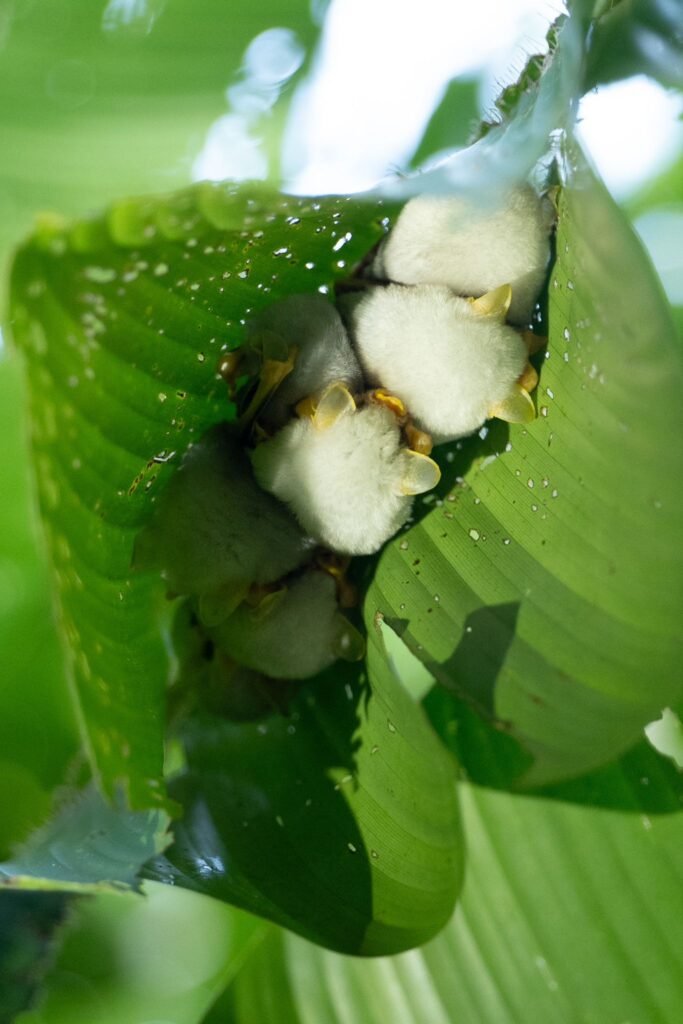
Featured photo: Pierella Garden official photograph. Reproduced with permission. Illustrative photograph of the destination or subject; it does not represent every provider or imply a recommendation. Resized; thumbnails may be cropped.
Close-up photography in Costa Rica can begin with a change of attention. Instead of scanning only for large animals, look at a leaf edge, an insect’s position, a seed pod or the arrangement of a flower. These subjects let you explore the living structure of a place at a scale that a landscape or distant wildlife portrait cannot show.
Start with a question about the subject
Ask what makes the detail worth photographing. Is it a pattern, an interaction, a texture or the way light passes through a surface? A clear answer helps you choose distance and framing. High magnification alone does not create a strong image; sometimes including the whole leaf or flower explains more than isolating a tiny part.
According to the Organization for Tropical Studies’ information resources, its Costa Rican research stations maintain flora and fauna lists, and La Selva’s Digital Flora catalogs the station’s vascular plants. These resources are useful for learning about the variety of life and checking identifications. A station species list documents records, rather than guaranteeing what is present during your visit.
Photograph plants as subjects in their own right
Leaves, bark, roots, flowers and fruit offer form, rhythm and evidence of change. Look for repeated shapes or a clear contrast between surfaces. A plant portrait can be intimate without being tightly cropped: include enough surrounding structure to show how the subject occupies its space.
If you photograph in a botanical collection, distinguish cultivated specimens from plants growing naturally in forest. Both can provide worthwhile images, but their context belongs in the caption. Do not assume every striking tropical flower is native to Costa Rica.
Costa Rica’s 2025 responsible wildlife tourist guide, developed with SINAC, MINAE and Universidad Nacional specialists, emphasizes respecting animals’ natural behavior and avoiding contact or feeding. Apply that same observational principle when photographing small wildlife: a cleaner image does not justify manipulating the subject.
Look for relationships without arranging them
An insect visiting a flower or resting on a leaf can suggest a connection, but do not overstate what one frame proves. A photograph alone may not establish pollination, predation or another ecological process. Observe, record what you saw and verify the interpretation before making a detailed natural history claim.
Leave animals, leaves and perches where they are. Avoid repositioning subjects, cutting vegetation or moving an insect to a brighter background. The ethical field guide applies to small wildlife as much as to birds and mammals.
Use light and background deliberately
Soft light can make subtle textures easier to balance, but dim forest conditions may require support and careful exposure choices. Wind, camera movement and a live subject all affect sharpness. Choose a method that suits the encounter, and accept that some subjects are better observed than photographed at extreme magnification.
For equipment and practical technique, use the macro photography field guide. This article’s emphasis is the story: what you notice, how you organize it and how honestly you describe it.
Choose a base with time for close observation
Research Sarapiquí for lowland forest possibilities, or San Gerardo de Dota for a contrasting highland setting. Confirm actual trail access, the pace of guided walks and whether you can pause without blocking other visitors.
Reserve a session specifically for close detail instead of treating it only as a backup. A small set of plant portraits, insect observations and environmental details can give your trip a distinctive visual chapter. Even familiar subjects become interesting when the photographs reveal careful attention.
Frequently asked questions
Do I need a dedicated macro lens?
It is useful for high magnification, but many close details can be explored with equipment that focuses sufficiently near. Begin with the scale your gear supports.
Can I identify an insect from one photograph?
Sometimes, but diagnostic details may be missing. Use reliable resources or specialist help and label uncertain identifications honestly.
Are botanical gardens appropriate for nature photographs?
Yes. Record cultivated context and do not present a collection specimen as a wild encounter.
Should I move a subject for a cleaner background?
No. Work with the encounter as it is, adjust your permitted position or choose another subject.
Reference for the natural history or planning context: Organization for Tropical Studies flora and fauna resources. Conditions and access should be checked for your actual travel dates.
Give macro photography its own place in the itinerary
Costa Rica macro photography deserves time that is not simply left over after a bird outing. Choose a manageable area and observe it closely. Form, texture, natural light and the relationship between a small subject and its surroundings can become the center of a session.
Compare a forest stay in Bijagua with the Monteverde cloud forest. The planning question is how each visit supports your working pace and lawful access, not whether a particular insect is guaranteed there. Explain your interests to the guide and confirm the rules for lighting and close observation.
Keep the story varied: begin with habitat, then a plant structure or a small behavior sequence. A subject does not need to be rare to make a strong photograph. A familiar form in its natural context can communicate the forest more clearly than an isolated image with no sense of place.
Do not reposition animals or remove vegetation to create a cleaner frame. Look for an alternative angle and leave the subject where it was found. Our macro field techniques guide develops the practical approach. A dedicated return trip can also give small subjects more attention than a route dominated by long transfers.