
Why Costa Rica Belongs on a Nature Photographer’s Travel List
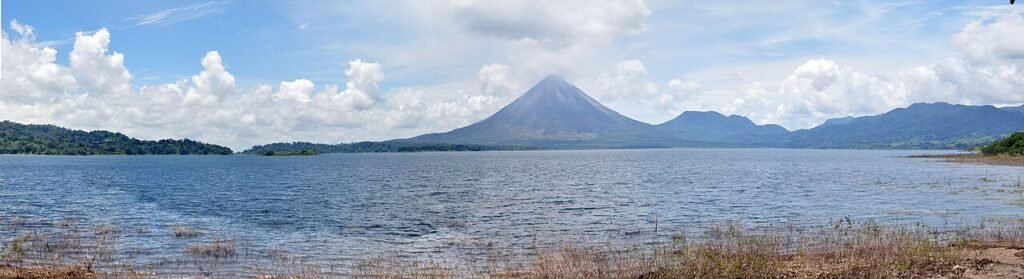
Featured photo: Arenal Volcano and Lake Arenal panorama by Kamran Saraf, CC BY 3.0. Resized; thumbnails may be cropped.
Costa Rica deserves a place on a nature photographer’s travel list because a thoughtfully paced trip can connect very different ways of seeing. You might work with forest atmosphere, a bird’s behavior, a wetland reflection and the geometry of a leaf. The attraction lies in that range of photographic stories, combined with the possibility of building a route around your own interests.
The Costa Rica Tourism Board’s sustainability overview describes a range of environments that includes tropical rainforests, dry forests, volcanic mountains and both coasts. This official destination context supports Costa Rica’s appeal as a place to build a varied nature photography journey.
Variety becomes meaningful when you slow down
A country’s species richness is an invitation to pay attention, not a guarantee that every subject will appear. Costa Rica’s mountain ranges, coastal environments and forest mosaics help create different living conditions. For a photographer, that means changing backgrounds, light and subject communities as you move between suitable bases.
Start with the habitat photography guide. Choose an environment because of the kind of work it supports: mist and layered vegetation, birds against water, close details in a garden, or the structure of seasonal woodland. This gives each stop a purpose beyond collecting another destination name.
National Geographic’s Untamed: Costa Rica series explores subjects ranging from hummingbirds and capuchins to tree frogs, turtles and sharks. That editorial range is an invitation to think beyond one celebrated animal and consider the relationships and environments your photographs can reveal.
Tell a story at more than one scale
A telephoto portrait can reveal texture and expression. A wider frame can explain the animal’s surroundings. A close-up can show the relationships you missed while looking into the canopy. Move deliberately between these scales when circumstances permit, and resist treating every session as a hunt for a single celebrated species.
A useful project might pair one establishing landscape, a habitat detail, a patient behavioral sequence and an intimate portrait. Not every day will deliver all four. The structure simply keeps your attention open and makes unexpected subjects relevant to the trip.
Bird photography has room for different ambitions
Some travelers want a first experience photographing tropical birds. Others want flight, environmental images or one particular species. Those goals require different locations and time allocations. A comfortable observation point and a forest trail may both be worthwhile, but neither automatically substitutes for the other.
Use the bird photography destination guide to begin location research. Then discuss viewing distance, light direction, access hours and walking demands with your guide or host. A bird list alone cannot tell you whether a site fits your photography.
Small subjects extend the possibilities
Plants, insects and textures give you another direction when distant wildlife is quiet. You do not need to manufacture an encounter to make a compelling close-up. Look at naturally accessible leaves, flowers and surfaces, and leave organisms and their surroundings undisturbed. These macro field techniques help translate observation into a workable session.
Design a trip that matches your energy
Road transfers, damp equipment, early starts and uneven trails all affect the experience. An itinerary can be exciting on paper and exhausting in practice. Allow recovery time, choose lodging near the activities that matter and keep a weather alternative. Travel companions who are not photographers may appreciate flexible outings and shorter sessions.
The reason to choose Costa Rica is personal: its range of environments may offer the stories you want to explore next. Good planning creates time and conditions for that exploration. It cannot promise a sighting, a perfect sky or a finished portfolio.
Frequently asked questions
Is Costa Rica suitable for beginner photographers?
Yes, when locations, walking demands and instruction match your experience. Start with manageable sessions and a small set of photographic goals.
Must I specialize in bird photography?
No. Forest scenes, plants, insects, coastlines and wildlife behavior can all form the basis of a nature photography trip.
Is a longer destination list better?
Usually the useful measure is time in the field. Extra transfers can reduce the repeat sessions that help you understand a location.
What should I tell a trip planner first?
Share your dates, preferred subjects, photographic experience, walking comfort and the needs of your companions.
Reference for the natural history or planning context: SINAC maps of forests, wetlands and protected areas. Conditions and access should be checked for your actual travel dates.
Why the destination can support more than one trip
Nature photography in Costa Rica is strongest when the journey has a clear intention. Rather than making the country’s variety a reason to rush, use it to choose a manageable project: forest atmosphere, bird behavior, wetlands, macro subjects or coastal context.
The directory now provides separate planning pages for Los Santos, Orosi and Turrialba, as well as Maquenque and the Osa Peninsula. Their value is the connection between regional context and practical decisions about stays and access.
On a first visit, choose a few contrasting settings and give them time. On a return, develop a different scale of observation or revisit a familiar place with a more focused story. Knowing a location can help you notice details you missed while trying to cover too much.
There is no need to justify the destination with an unsupported count of photographers or a guaranteed species list. Its appeal lies in the possibilities you can investigate through reliable sources and the way a considered plan gives you time to explore them. Read the return-trip guide for ways to develop that idea.