
Photographing Costa Rica’s Microclimates: Light, Mist and Rain
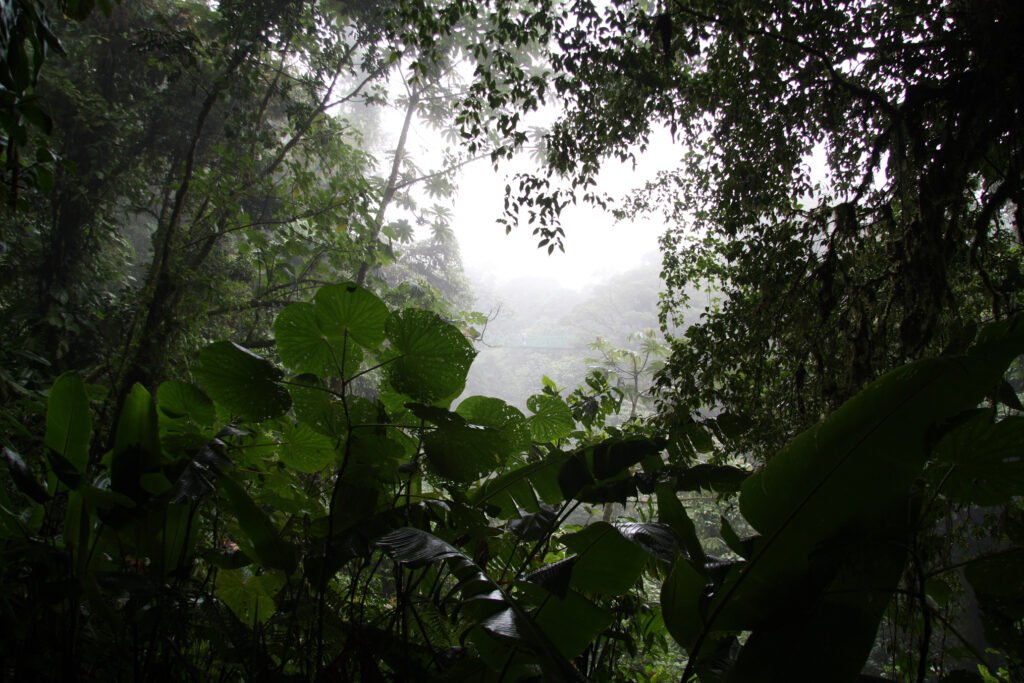
Featured photo: Mist in Monteverde cloud forest by (WT-shared) Velorian, CC BY-SA 1.0. Resized; thumbnails may be cropped. This image and its resized/cropped versions remain available under this license.
Costa Rica’s changing weather can be part of your photographic vocabulary. Mist can separate forest layers, cloud can soften a harsh background, and rain can leave reflective surfaces. Planning around these possibilities works best when you distinguish broad climate patterns from the conditions of a particular hillside, trail or hour.
According to the Instituto Meteorológico Nacional’s climate atlas, rainfall, temperature, radiation and wind are among the variables mapped to understand Costa Rican climate. Compare these regional patterns before choosing the places where you hope to work with mist, softer light or seasonal contrast.
Read the landscape before reading the calendar
The Instituto Meteorológico Nacional describes regional climate through rainfall, temperature, wind and other variables. Mountain orientation, elevation and coastal influence contribute to contrasts within the country. A forecast for a nearby town may not describe a forest trail higher on the slope. Use regional information to choose a route, then consult current forecasts and local observations before each outing.
According to IMN’s Second Biennial Update Report (2019), national climate profile, the Pacific and Caribbean slopes have different rainfall regimes. Pacific areas generally have a clearer seasonal dry period, while the Caribbean does not have an equivalent consistently dry season. Those broad patterns still leave substantial regional and daily variation. They are a starting point for planning, not a timetable for guaranteed light.
Use mist to simplify a complicated forest
In Monteverde or the highlands around San Gerardo de Dota, watch how visibility changes the arrangement of foreground and background. Fog can remove distracting distant detail, but it can also flatten a scene. Find a distinct nearby shape and build the image around it.
A dark trunk, fern or branch can anchor pale atmosphere. Check the histogram and protect important bright areas rather than relying only on the preview screen. When the fog lifts, revisit the same composition; the new separation of layers may be more useful than the first dramatic moment.
Overcast light changes the subject options
Cloud cover can make close detail and portraits easier to balance, while shutter speeds become more demanding under a forest canopy. Adapt the subject and the method together. A stationary plant may allow a supported camera and careful focus; a moving bird may require a faster shutter and higher sensitivity.
For small subjects, follow the macro photography field guide. Diffuse light is useful, but wind, subject movement and background clutter still matter. Good conditions do not eliminate the need for patient composition.
Plan rain alternatives that remain photographic
Ask whether your accommodation has sheltered observation spaces and what can actually be seen from them. Do not assume a lodge terrace is a hide or that wildlife visits on a schedule. A short session studying leaf texture or distant rain can have more value than forcing an exposed walk in poor conditions.
Carry appropriate rain protection and dry storage. Before moving a cold camera into warm humid air, reduce abrupt exposure to moisture using a closed bag and allow time for temperatures to equalize. Follow your equipment manufacturer’s care guidance. Avoid lens changes in rain or heavy spray.
Keep the itinerary flexible
Choose a morning priority and an alternative that needs different conditions. Return to one promising site when weather changes instead of assuming a missed session is permanent. The trip planning guide helps reserve that flexibility without making every day undefined.
Frequently asked questions
Can I choose a month that guarantees mist?
No. Mist depends on weather and local conditions. Choose suitable environments and allow more than one session.
Does rainy season mean rain all day everywhere?
No. Rainfall patterns differ by region and day. Consult current forecasts rather than applying one national rule.
Should I stop photographing when clouds arrive?
Reconsider the subject. Cloud can suit portraits and close details even when a broad landscape loses contrast.
How much spare time should I leave for weather?
Enough for repeat sessions at your highest-priority base. The right amount depends on trip length, access and the importance of specific subjects.
Reference for the natural history or planning context: Instituto Meteorológico Nacional climate atlas. Conditions and access should be checked for your actual travel dates.
Choose dates through a regional and photographic lens
Costa Rica microclimates make a single national “best month” an incomplete planning answer. Begin with your subjects and chosen bases, then discuss the expected conditions and current access with the responsible providers. A general seasonal pattern does not establish the weather during a particular outing.
Compare the Dota highlands, Monteverde forest and Tortuguero waterways. Each stay calls for its own decisions about field time, equipment protection and alternative subjects.
Write a flexible plan for your highest-priority session. If a wide view is obscured, consider forest layers or a close detail from a permitted area. If an outing cannot operate, follow the responsible operator’s guidance rather than forcing the original schedule. Flexibility is useful only when access and activity conditions are respected.
A second morning at the same base can be a practical buffer. Our year-round photography guide turns the seasonal question into a choice of region, subject and pace. Check current conditions close to travel, and distinguish a planning expectation from a confirmed activity.