
Guanacaste Photography Guide
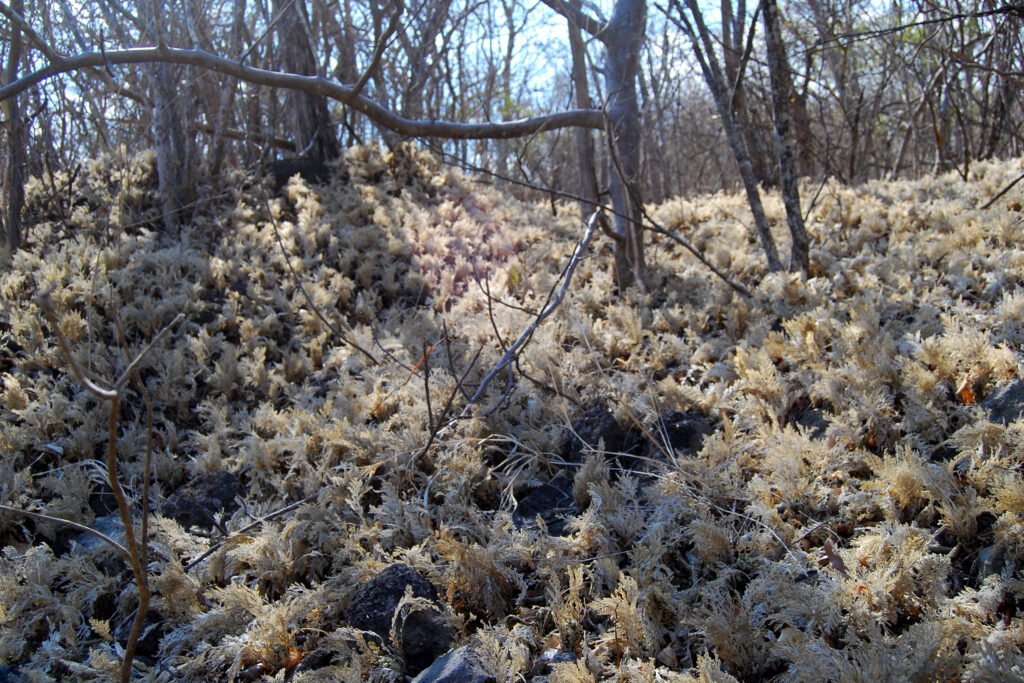
Featured photo: Tropical dry forest in Santa Rosa National Park by Geoff Gallice, CC BY 2.0. Resized; thumbnails may be cropped.
Guanacaste photography can combine tropical dry-forest interests, Pacific coastal scenes and inland mountain settings. The official tourism overview describes that diversity, but the region is too broad to treat as one convenient base. Choose the main environment you want to photograph, then build accommodation and local outings around it.
Use the Costa Rica regions and destinations guide to compare this area with other habitats. Choose a few complementary bases rather than adding stops faster than you can photograph them.
Choose a coastal or inland emphasis
A beach stay and an inland nature itinerary can require different daily travel. Name the actual sites you want to visit before selecting a hotel. Ask about distances and confirmed access instead of relying on the regional label. The lodging pillar helps compare location and practical comfort for photographers and companions.
Use dry-forest structure in the image
Trunks, branches, foliage and the relationship between open and shaded areas can be subjects themselves. A wildlife portrait can also show enough habitat to explain the setting. Let the guide help interpret conditions and remain on authorized routes. Consult the bird destination guide before treating every Costa Rican forest visit as the same photographic experience.
Give coastal scenes a working window
Choose a permitted location and study light, water movement and background shapes. Leave another opportunity to return if conditions do not support the intended image. Ask locally about access and the conditions near the shoreline. Protect gear from sand and spray, and avoid changing lenses unnecessarily in exposed places. A coastal session should not depend on a rushed arrival between long transfers.
Confirm park and activity requirements
Different protected areas and operators have different admission and reservation arrangements. Check the official source for your chosen site and confirm the actual entrance and visit format. Use the planning guide to preserve time between field work and transfers. Include rest and companions’ activities, particularly when your photography priorities call for a different daily rhythm.
Before confirming your route
- Identify the exact reserve, outing and meeting point.
- Confirm access, guiding and transport for your dates.
- Describe walking preferences and the equipment you carry.
- Allow time for weather changes and repeat sessions.
Frequently asked questions
Is Guanacaste only a beach destination?
No. The official tourism overview includes dry forest, coast and mountain landscapes. Choose the specific environment and sites that match your photographic goals.
Can I stay anywhere and reach all the main sites easily?
Do not assume so. Compare the actual distances and transport requirements of your intended outings before booking accommodation.
Should I expect the same forest as Sarapiquí?
The regions offer different habitat contexts. Research the particular location and use those differences intentionally when combining bases in one itinerary.
Can I add a protected-area visit without planning?
Check current admission and access requirements first. Confirm the entrance, schedule and guiding format instead of treating a regional park name as an open invitation.
Compose your photography itinerary
Share dates, target subjects, trip length and preferred pace with Physis Photo Tours. Thoughtful choices about stays, transport and timing create room for observation; they do not guarantee wildlife encounters or photographic results.
Planning reference: official destination or reserve information, reviewed October 8, 2026. Confirm current access and services before booking.