
How to Plan a Photography Trip to Costa Rica
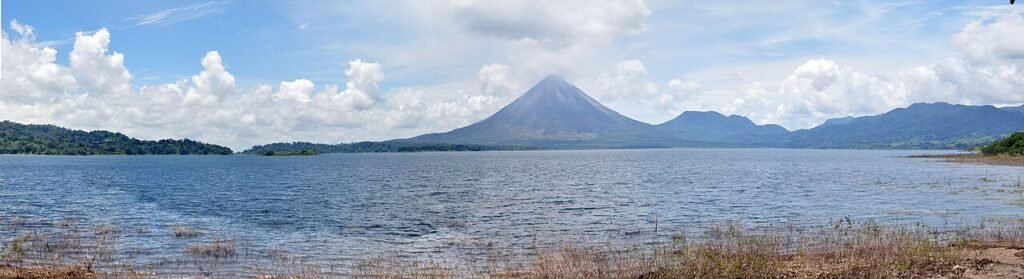
Featured photo: Arenal Volcano and Lake Arenal panorama by Kamran Saraf, CC BY 3.0. Resized; thumbnails may be cropped.
Planning a photography trip to Costa Rica starts with the images you want to work toward. Your route, stays and transport should make room for observation, changing weather and repeat visits. A busy sightseeing itinerary can leave very little time to make photographs.
Choose a small set of priorities
List your main interests: birds, quetzals, hummingbirds, macro subjects, landscapes or a mixture. Add your walking preferences and how much guidance you want. Rank the priorities so that a missed opportunity in one area does not force rushed decisions elsewhere.
Use our bird photography guide to compare habitats. For a focused highland visit, read our quetzal field guide.
Build the route around time in the field
Choose a few complementary bases instead of trying to cover every region. Several mornings in one area let you learn its light and revisit a location after rain or an unproductive outing. Keep your most important session separate from a long transfer day.
Ask a local operator to estimate travel time for the actual route and vehicle. A short distance on a map may involve slower mountain roads. Leave room for stops, meals and conditions rather than scheduling every hour.
Select dates by region
Costa Rica’s seasonal patterns vary across the country. The Pacific and Caribbean sides do not follow identical rainfall patterns, and elevation affects the experience. Read the tourism board’s when-to-visit guidance, then ask about recent conditions at your chosen locations.
Rain can affect access and equipment care, but it can also change the mood of a photograph. Plan flexible sessions and bring protection. A seasonal description is not a forecast or a guarantee of wildlife activity.
Book services as separate components
Clarify accommodation, guiding, transport, reserve entry and dedicated photography sessions. Ask which items are included and which require additional payment or confirmation. A lodge booking does not automatically reserve a guide or private access.
Keep a written record of dates, meeting points, inclusions and cancellation terms. Check current park admission arrangements with the official SINAC park information. Do not rely on an old blog post for operational details.
Pack for the way you travel
Choose equipment you can comfortably carry on your planned outings. A telephoto lens and macro option may cover different interests, but every additional item has a transport and handling cost. Carry rain protection, spare batteries and the charging accessories you need.
Make a backup plan for files before departure. Allow time each evening to copy images and keep copies separate where practical. Check your transport provider’s current baggage limits directly.
Give your guide a useful brief
Explain whether you value portraits, behavior, habitat images or a particular species. Tell the guide how long you prefer to stay with a subject and whether you need help with technique. Ask about group size, terrain and the expected pace.
Photography comes first when the itinerary gives you time to notice, wait and choose. That does not mean forcing an encounter: wildlife behavior, weather and access remain outside anyone’s control.
Before you finalize
- Check that each base supports a clear photographic priority.
- Leave repeat opportunities for your most important subjects.
- Confirm services and meeting points in writing.
- Keep transfers and field sessions realistic.
- Review the wildlife practices of the providers you choose.
Choose duration by field time, not destination count
Costa Rica photography trip planning should begin with the number of meaningful sessions you want, then fit stays and transfers around them. A seven-day, ten-day or two-week trip can support different levels of variety, but none of those durations guarantees a particular number of regions. Actual travel arrangements, access and group needs determine the pace.
For a shorter journey, consider two purposeful bases and protect repeat time at each. A longer journey may add a contrasting habitat, provided that transfers do not consume the days you wanted in the field. These are design examples, not booked programs or promises of travel times.
Compare Cachí, Turrialba, Arenal and Boca Tapada through your subjects and available time. Check each provider’s actual location, departure points and services before deciding that two stops fit comfortably together.
Explain whether the priority is birds, wildlife behavior, macro, landscapes or a balanced story. Include companions’ interests and walking comfort in the same conversation. Keep a flexible alternative for important sessions, while following the operating decisions of parks and providers.
A country with varied settings does not need to be exhausted in one visit. Our second-trip guide offers a way to save other photographic intentions for another journey.