
How to Choose Photography-Friendly Lodges in Costa Rica
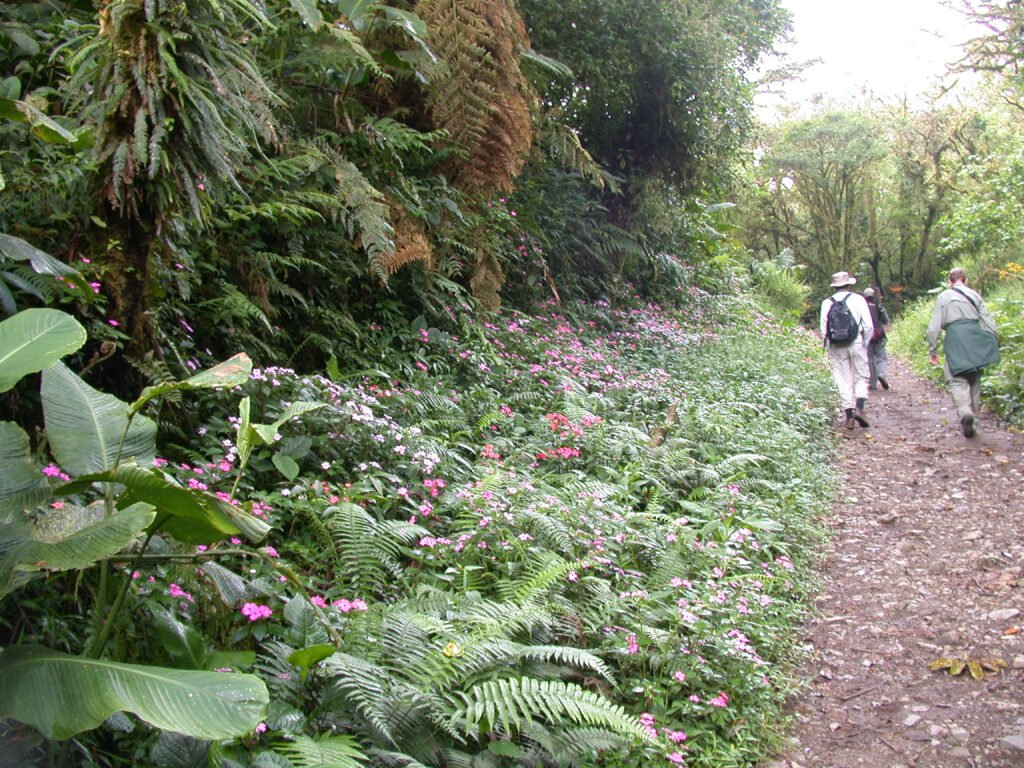
Featured photo: Monteverde cloud forest habitat by Ron Knight (sussexbirder), CC BY 2.0. Resized; thumbnails may be cropped.
A photography-friendly lodge should support the way you want to work. A beautiful room or a long wildlife list is only part of the decision. Location, access, breakfast timing, guiding and space to manage equipment can determine how smoothly your photographic days unfold.
Match the base to your subjects
Choose a region first. If cloud forest and quetzals are priorities, research the Dota highlands. If you prefer lowland rainforest, investigate Sarapiquí or Boca Tapada. A lodge in one habitat cannot replace time in another, even when its gardens attract a variety of birds.
Compare regional options through our bird photography destination guide. Build your shortlist around the subjects and working conditions you want, then verify each property’s current services.
Separate accommodation from photography access
Ask what is included in the room rate. A forest reserve, guided walk, feeder session or hide may require a separate reservation. Check whether outside visitors share the photography area and whether access is possible at the times you hope to work.
The directory includes Savegre Lodge, Selva Verde Lodge, Laguna del Lagarto Lodge and Maquenque Lodge. These are contacts to research, not a ranked list or a promise that a particular setup is included.
Check the daily routine
Early outings can conflict with breakfast or reception hours. Ask about an early meal, a packed breakfast and the meeting point for guides. Clarify whether a guide collects you at the lodge or whether you must arrange transport.
Keep transfer days realistic. Staying close to your main session may be more useful than choosing a cheaper room that requires a lengthy drive before every outing.
Ask about terrain and accessibility
Describe your walking preferences clearly. Ask about slopes, steps, muddy sections, seating and the distance from rooms to activity areas. Request details relevant to your needs rather than relying on a general label such as easy or accessible.
If you use heavy lenses, confirm whether the viewing area has room for support and whether equipment must be carried along a trail. Do not assume that a garden session and a forest walk have the same physical demands.
Think about equipment care
Ask about reliable electricity and a suitable place in your room to charge batteries. Bring the adapters and chargers your equipment requires. Keep gear secure and allow time to manage moisture after damp outings; a room reservation does not imply specialized camera storage or drying facilities.
For several photographers traveling together, consider how charging space and luggage will be shared. Confirm room configurations directly rather than inferring them from photographs.
Evaluate wildlife practices
Ask whether feeding, playback or animal handling is part of an experience. Look for clear answers about hygiene, limits and animal welfare. A polished photographic setup is not enough to establish responsible operation.
A useful inquiry checklist
- Which visits and photography areas are included?
- Which sessions require advance booking?
- What terrain and walking distances should I expect?
- Can meals fit the guiding schedule?
- Who arranges transport and guiding?
- What are the current rates and cancellation conditions?
Use the answers to compare like with like. If you want help coordinating several bases, explore Physis Photo Tours. Share your subjects, pace and practical requirements before requesting a proposal.