
Photographing the Resplendent Quetzal in Costa Rica
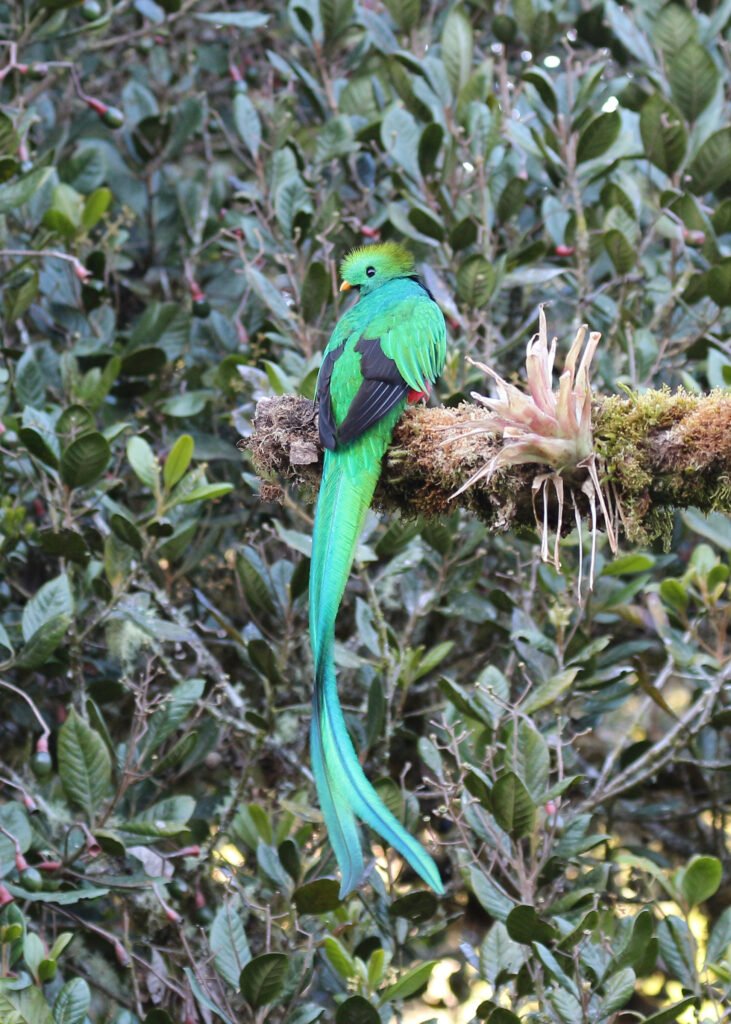
Featured photo: Resplendent quetzal in Los Quetzales National Park by Bernard Gagnon, CC0 1.0. Resized; thumbnails may be cropped.
Photographing the Resplendent Quetzal in Costa Rica begins with understanding its cloud forest habitat. The bird may be your main subject, but the photograph also depends on light, distance, background and how quietly you work. Plan a patient outing with a local guide and allow room for changing conditions.
Where to begin your search
San Gerardo de Dota and the surrounding Talamanca highlands are useful starting points for planning a quetzal photography visit. The Savegre valley has lodging and local guiding options, while Los Quetzales National Park protects habitat in the wider region. A guided outing on private land and a national park visit are separate arrangements.
Research Savegre Lodge, Trogón Lodge and Paraíso Quetzal Lodge as possible planning contacts. Ask where the outing takes place, whether access is included and how much walking is involved. A directory listing is a starting point for inquiry, not confirmation of availability.
Choose timing with local information
Quetzals use fruiting trees, and feeding activity can influence where a guide searches. The best location for an outing can therefore change. Ask about recent observations close to your travel dates instead of relying on a fixed perch or an old report.
Morning outings can give you more time to work before the day’s plans become busy, but early light in the mountains may be dim. Discuss the departure time with your guide and build in a second morning if the quetzal is a major priority. No date, season or guide can guarantee a sighting or a photograph.
Prepare for mountain conditions
Bring layers, a rain cover and footwear suitable for damp ground. Mist can create an atmospheric image, but rain and condensation require careful equipment handling. Keep spare batteries dry and let cold equipment adjust gradually when moving into a warm room.
Confirm the meeting point, terrain and transport before the outing. A short drive, a roadside observation and a forest trail each require different preparation; do not assume that every quetzal excursion follows the same route.
Lens choice and composition
A telephoto lens helps you photograph from a respectful distance. A zoom gives flexibility when the bird changes position, while a longer prime may suit distant subjects if you can carry it comfortably. Choose equipment you know well rather than adding unfamiliar gear just before the trip.
Allow space for the male’s elongated upper tail coverts and avoid framing too tightly. Look for a clean background without stepping off a permitted trail or moving vegetation. When the bird remains small in the frame, consider a habitat portrait: branches, moss and cloud forest light can tell a stronger story than a heavily cropped image.
Exposure and autofocus in cloud forest
Begin with a shutter speed suited to the subject’s movement and your support. A still bird may permit a slower exposure than one turning its head, feeding or taking flight. Increase ISO when necessary, review sharpness and watch for bright sky behind the bird that can mislead the meter.
Check highlight detail on the plumage and use exposure compensation when the background calls for it. Autofocus may lock onto branches; use a smaller focus area or adjust manually if that gives you more control. Bird detection can help, but inspect the eye and head rather than assuming the camera has found the subject.
A tripod or monopod can reduce fatigue while waiting, provided there is room to use it without blocking others. Keep settings ready so that you spend the encounter watching the bird instead of navigating menus.
Work with a guide who understands photography
Tell your guide that your priorities include backgrounds, light and time with a subject. Ask about group size and whether the outing is designed for photography or general birdwatching. Both can be rewarding, but they may have different pacing.
Let the guide assess a suitable viewing position. If access is restricted or a bird appears disturbed, accept the limit. A photograph that requires crowding, trespassing or interrupting normal behavior is not a useful outcome.
Protect the bird and its habitat
- Remain on authorized trails and respect private property.
- Keep a generous distance, especially near breeding activity.
- Do not approach or reveal nest locations to attract a crowd.
- Avoid playback, flash and attempts to provoke movement for a photograph.
- Keep voices low, give other visitors room and follow local rules.
If the bird leaves, wait quietly or move on with your guide. Never pursue it through vegetation to recreate an earlier view.
Build a flexible highland visit
Keep your most important outing separate from a long transfer day. Leave time for another session and for other cloud forest subjects if conditions change. For a wider route, read Best Places for Bird Photography in Costa Rica.
If you want help coordinating stays, guiding and transport around your photographic goals, explore Physis Photo Tours. Share your experience, equipment, walking preferences and the images you hope to work toward.
Planning references
Habitat and park information: SINAC: Los Quetzales National Park. Cloud forest context: Savegre forest reserve. Regional birding context: SINAC and ICT birdwatching guide. Information checked October 8, 2026; verify current access, services and conditions directly.