
Night Photography in Costa Rica: A Different Natural World
Night photography in Costa Rica can introduce a different rhythm to a nature journey. A permitted guided walk may offer a chance to observe small wildlife and forest details after dark, while an authorized landscape session explores the setting in another kind of light. It is an additional photographic interest, not an automatic extension of daytime access.
Audubon: Audubon advises photographers to let birds behave naturally and avoid provoking flight.
Decide which kind of night you want
A wildlife walk and a night-sky outing serve different interests. One relies on appropriate guided observation, subject welfare and permitted lighting; the other depends on a suitable view, weather and astronomical timing. Explain your priority before booking. A normal night walk may not leave enough time for repeated compositions, so ask about pace and group size rather than assuming that any activity is a photography session.
Keep observation ahead of lighting
Let the guide determine what is appropriate for the animal and location. Do not keep a subject illuminated for a prolonged session or use equipment contrary to site instructions. Nocturnal birds need particular restraint: avoid flash at night. If an encounter cannot be photographed responsibly, enjoy observing it. A wider forest detail or an authorized scene without wildlife may provide another image without pressuring the subject.
Fit the evening into the whole journey
Investigate providers in Arenal, Sarapiquí or Osa through the regional guides, then confirm the actual nighttime activity and access. Allow time for meals, transport and rest. Following a late walk with a demanding dawn session can reduce the enjoyment of both. A slower itinerary makes it easier to add nighttime interests while keeping birds and daylight wildlife as important parts of the trip.
Recommendations for your visit
- Confirm that the specific nighttime activity is permitted and suits photography.
- Ask about lighting, pace and wildlife practices before booking.
- Choose a few meaningful observations rather than pursuing every subject with the camera.
Connect the subject with your route
Compare Arenal and La Fortuna, Osa Peninsula. Check current access, services and conditions directly before finalizing plans.
Continue with Ethical wildlife photography, Trip planning.
Questions photographers ask
Can I enter a park at night because I visited during the day?
Do not assume so. Verify the specific nighttime permission and arrangements directly.
Is flash appropriate for nocturnal birds?
Avoid flash on nocturnal birds at night and follow the guide’s and site’s instructions.
Is a night walk the same as astrophotography?
No. Wildlife observation and photographing the sky have different requirements.
Must every encounter produce an image?
No. Observation without a photograph is preferable when the camera would disturb the animal.
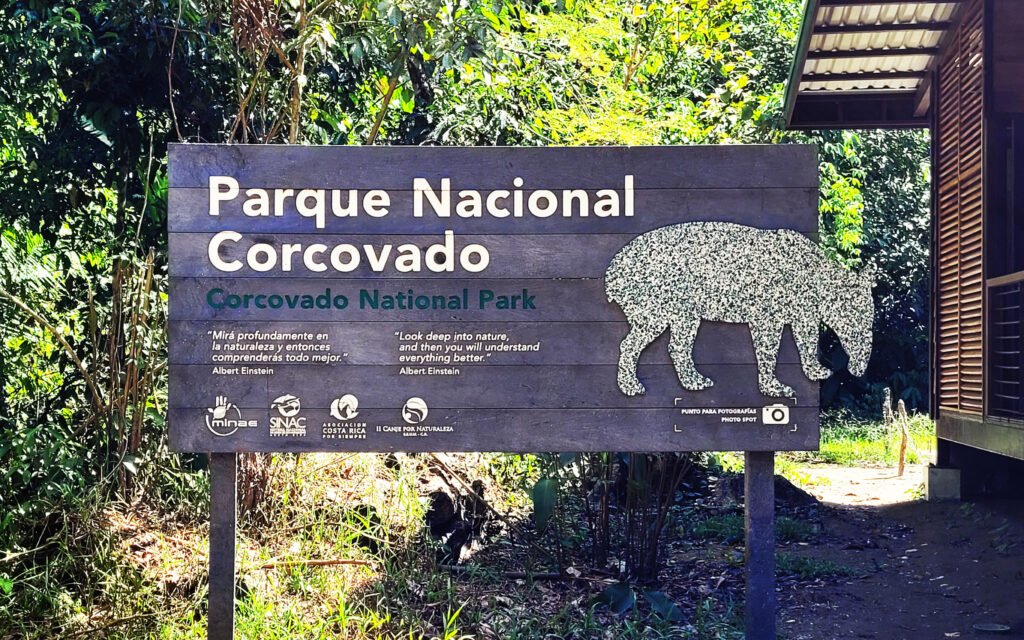
Illustrative photo: Corcovado National Park on the Osa Peninsula by Bernard Gagnon, CC0 1.0. Resized; thumbnails may be cropped. This image and its resized/cropped versions remain available under that license. It illustrates the setting or subject; it is not presented as an example of every technique discussed.