
Your Second Photography Trip to Costa Rica: New Habitats, Deeper Stories
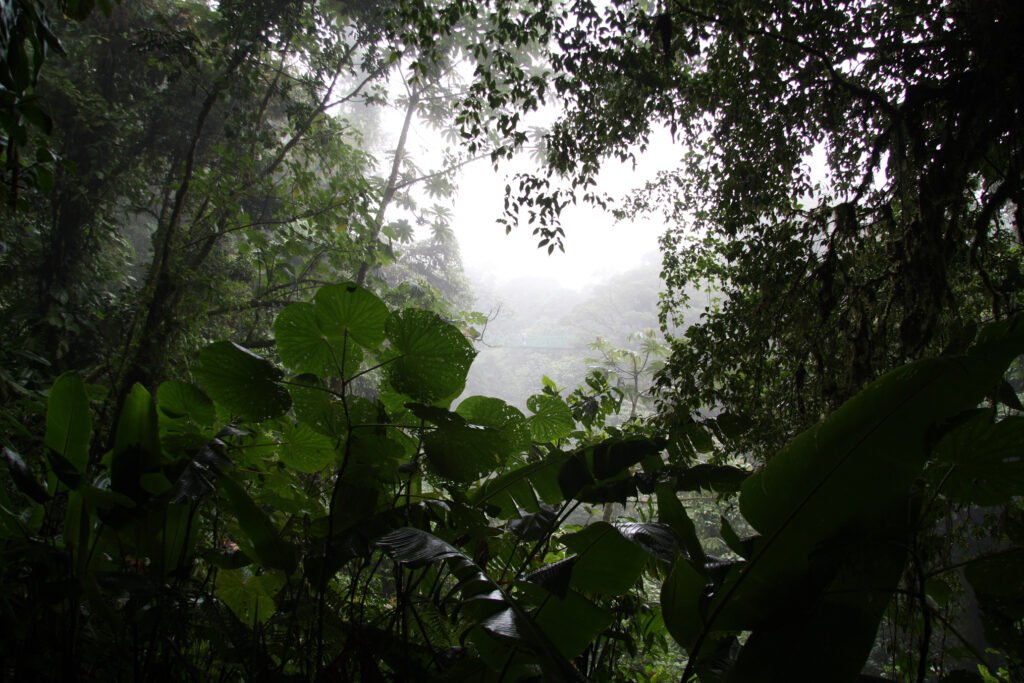
A second photography trip to Costa Rica can develop a different story rather than repeat a list of places. Perhaps your first visit focused on bird portraits and you now want habitat context, small forest subjects or a slower study of wildlife behavior. Returning can also give a familiar location the time and attention it did not receive before.
Let the first trip guide the next question
Review your images before choosing hotels. Which photographs explain the setting, and which subjects remain isolated from their habitat? Did transfers leave little time to observe? Were you comfortable with the walking pace and equipment? Those practical questions can shape a more purposeful return.
Choose one primary intention. It might be a forest portfolio, a wetland sequence, macro observation or a story connecting landscape and behavior. Add variety only when it supports that intention, rather than treating another trip as an obligation to cover every remaining region.
Choose a different habitat or a different scale
SINAC’s official map library offers a geographic reference for protected areas and ecosystems. Use it to compare settings, then confirm current visitor arrangements for the places you actually intend to enter. A map explains context; it does not grant access.
If a previous journey emphasized forest bird portraits, compare a Caño Negro wetland outing with the Tortuguero canal setting. If you want forest atmosphere and small details, investigate Monteverde or a Bijagua stay. These are different planning possibilities, not promises of specific encounters.
Revisit a place with a deeper project
Returning to the same base can be worthwhile when you change how you work. Familiarity with paths and backgrounds may help you notice relationships that were missed while learning the location. Plan repeated sessions and give yourself room to wait, reconsider a composition and document behavior honestly.
A series could connect a broad habitat image, an environmental portrait and a small detail. The value lies in the relationship between those photographs, not simply in adding more species to a collection. Discuss your intended pace with a guide before the trip.
Use reliable research without turning records into guarantees
According to the Cornell Lab of Ornithology’s checklist methods, eBird supports regional bird lists and range maps based on field observations. It is a useful research starting point. An occurrence record still cannot establish that a bird will be visible, approachable or photographable during your session.
Choose guides and activities according to the observation you want to practice. Ask about access, walking conditions, group size and permitted lighting. Avoid a plan that pressures wildlife to produce a particular picture.
Build a route with fewer transitions
A return journey is an opportunity to reduce the constant movement that can interrupt observation. Choose practical bases and confirm the actual departure points of activities. The name of a region alone does not show whether a lodge is convenient for your intended outing.
For a highland and rural project, compare Los Santos, Orosi and Turrialba. For a different forest-and-coast story, investigate the Osa Peninsula with explicitly planned Corcovado access. These examples require feasibility and availability checks before becoming an itinerary.
Frequently asked questions
Should a second trip always visit new places?
No. A familiar base can support deeper observation when the photographic intention changes.
Can I focus the whole return on macro subjects?
Yes, if the access, guiding and working pace support that interest. Give small subjects dedicated time rather than treating them as a brief extra.
Should I try to finish a national checklist?
A checklist can guide research, but it need not define the journey. Habitat, behavior and a coherent story may be more useful goals.
Where can I compare practical arrangements?
Use the hotel and lodge guide and trip-planning guide. Review year-round planning when matching your intentions to dates.
Photo: (WT-shared) Velorian, CC BY-SA 1.0. The photograph illustrates a Costa Rican forest habitat; it is not a guaranteed view on a future visit. Resized; thumbnails may be cropped. This photograph and its resized versions remain available under the stated license.