
Astrophotography in Costa Rica: Plan for Possibility
Astrophotography can add a very different chapter to a Costa Rica nature trip. After birds, forest details and daylight landscapes, a suitable clear night may invite you to explore stars above a natural foreground. It deserves its own planning: a promising region is not a guarantee of clear sky, dark surroundings or nighttime access.
Nikon’s night-sky photography guide: Nikon distinguishes photographs of pinpoint stars from deliberate star-trail images.
Investigate the location, not only the region
Ask a property or local guide about practical access, artificial lighting, an open view and a suitable place for a tripod. Do not assume a national park remains open after dark or that a remote lodge provides an unobstructed sky. Guanacaste and other Pacific settings are regions to investigate, not certified dark-sky recommendations. Visit the planned position in daylight when possible and agree how you will return safely.
Build flexibility around sky conditions
Cloud, moonlight and local lighting can change what is worth photographing. A darker night may suit a star-focused image; moonlight may support a different landscape. Check current forecasts and astronomical timing for the actual date and location. Keep an alternative session in the itinerary, such as an early morning or another permitted evening, rather than making the whole trip depend on one night.
Choose one manageable first objective
Start with a simple composition and a stable camera position. Make a test exposure, inspect star sharpness and adjust to your lens and camera. A published exposure value is only a starting example, not a universal recipe. If you blend separate sky and foreground frames, describe that process when it matters. The experience can complement a bird itinerary without requiring a dedicated astronomy expedition.
Recommendations for your visit
- Confirm nighttime permission and an appropriate local plan before taking equipment out.
- Check moon timing, weather and local lights for your actual dates.
- Leave enough rest before the following morning’s bird session.
Connect the subject with your route
Compare Guanacaste planning guide, Los Santos. Check current access, services and conditions directly before finalizing plans.
Continue with Year-round photography, Trip planning.
Questions photographers ask
Can I expect the Milky Way every night?
No. Visibility depends on date, time, cloud, moonlight, local lighting and the available view.
Is every remote lodge suitable?
No. Check its actual sky view, lighting and permitted nighttime arrangements.
Do I need a star tracker?
Not for every kind of night-sky photograph. Choose your intended image before deciding on specialist equipment.
Can this fit a bird-focused trip?
Yes, as an optional, well-planned session with realistic expectations and enough rest.
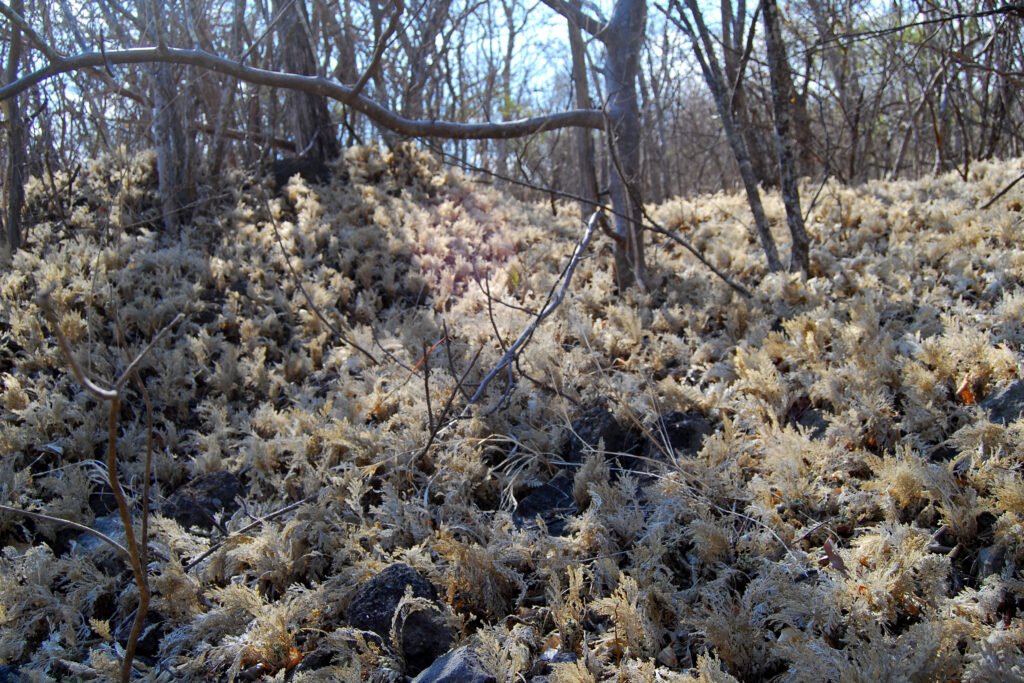
Illustrative photo: Tropical dry forest in Santa Rosa National Park by Geoff Gallice, CC BY 2.0. Resized; thumbnails may be cropped. This image and its resized/cropped versions remain available under that license. It illustrates the setting or subject; it is not presented as an example of every technique discussed.