
Rainforest Macro Walks: Costa Rica at a Smaller Scale
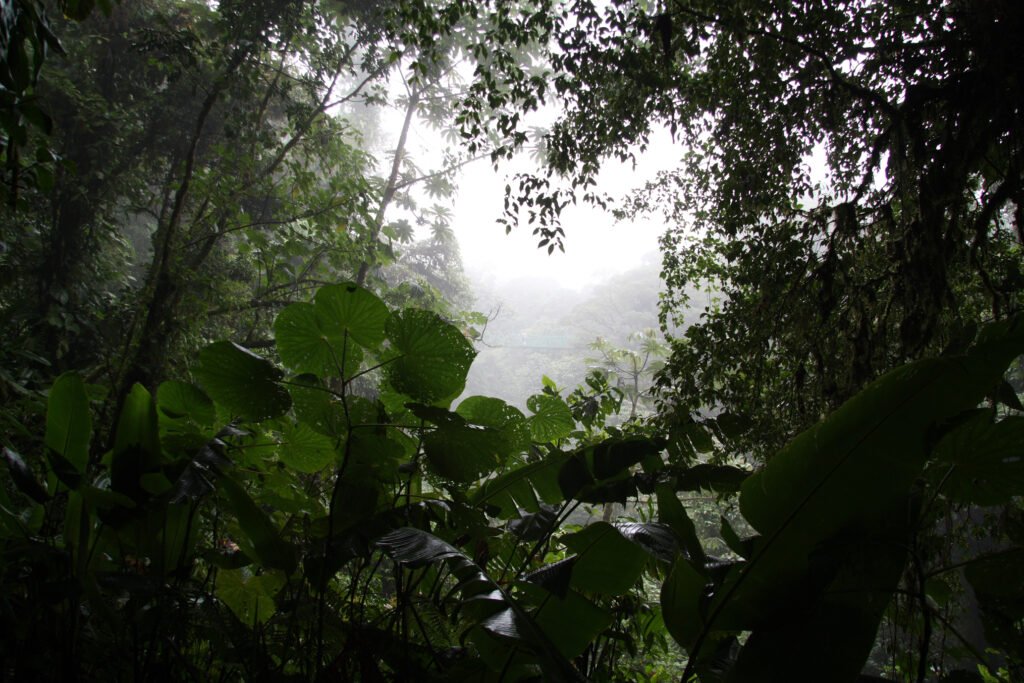
A rainforest macro walk in Costa Rica changes the scale of your attention. Instead of waiting only for a bird or mammal, you begin to notice leaf surfaces, tiny flowers, insects and the structure of the forest floor. This is an inviting way to expand a bird-focused trip without needing a completely different destination.
Organization for Tropical Studies: The Organization for Tropical Studies documents plant and animal diversity at its Costa Rican research stations.
Choose a small area and give it time
A productive macro session is not necessarily a long walk. Explore a short, permitted section of trail slowly and look at several heights without disturbing vegetation. Ask a guide about likely subjects and whether a location offers a dedicated slow-paced activity. A general natural-history tour may move too quickly for repeated attempts at a tiny subject, so explain your photographic interests before booking.
Let the subject determine the approach
A moving insect may call for one carefully timed frame; a still leaf or flower may allow repeated compositions. Look for a background that supports the subject and avoid letting your shadow abruptly cover an animal. Use the close-focusing equipment you already have before deciding you need a specialist setup. When light or movement makes a detailed image difficult, a wider picture can still show the subject’s relationship to the forest.
Make the small world part of a larger journey
Sarapiquí and Monteverde are contrasting regions to investigate for rainforest and cloud-forest details. Neither needs to be treated as a guaranteed collection of insects or flowers. Alternate a macro session with birds or broader nature photographs so that the trip has different rhythms. Record verified identifications when available; otherwise describe the image honestly without inventing a species name.
Recommendations for your visit
- Reserve unhurried time rather than adding macro to a rushed transfer stop.
- Photograph living subjects where they occur; do not collect or reposition them.
- Try a detail and a wider habitat view of the same natural scene.
Connect the subject with your route
Compare Sarapiquí, Monteverde. Check current access, services and conditions directly before finalizing plans.
Continue with Macro field techniques, Plants and insects.
Questions photographers ask
Do I need a dedicated macro lens?
It helps with very small subjects, but close-focusing lenses and some cameras can also open useful possibilities.
Is every small-subject image a true macro photograph?
No. Close-up and macro are related approaches; label equipment or magnification accurately when it matters.
Can macro complement a bird trip?
Yes. A slow walk at an existing base can introduce a different scale of nature photography.
Should I handle an insect to improve its position?
No. Build the image around its natural position and follow the site’s rules.
Illustrative photo: Mist in Monteverde cloud forest by (WT-shared) Velorian, CC BY-SA 1.0. Resized; thumbnails may be cropped. This image and its resized/cropped versions remain available under that license. It illustrates the setting or subject; it is not presented as an example of every technique discussed.