
Discover the Wonders of Macro Photography: Tours and Workshops in Costa Rica
Introduction to Macro Photography
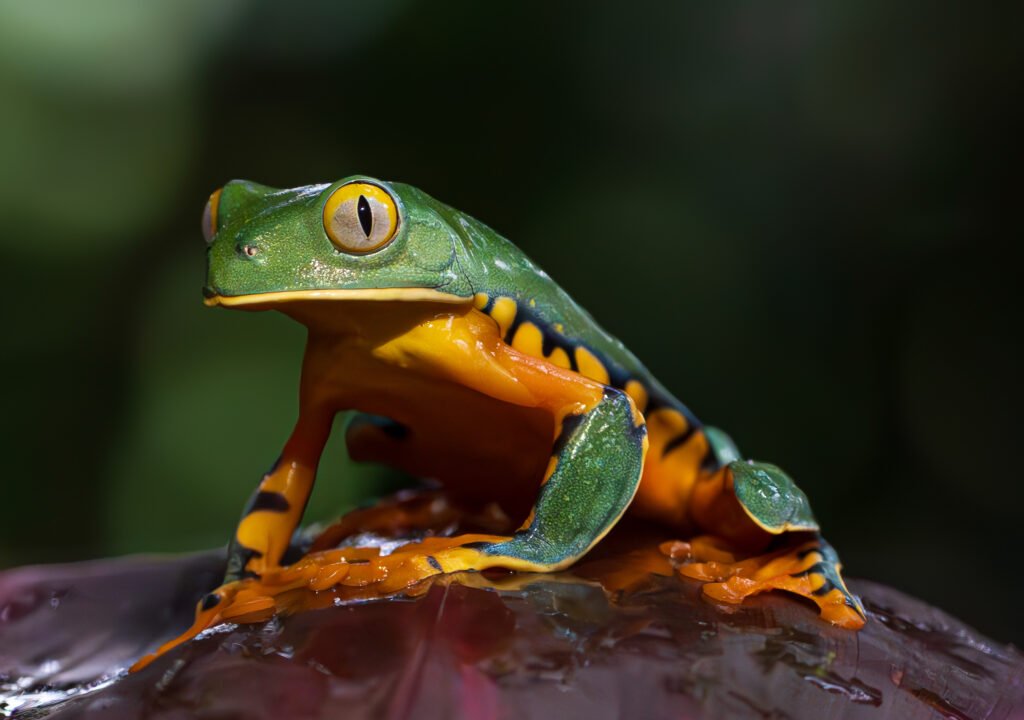
Macro photography is a specialized genre that enables photographers to capture subjects at extremely close ranges, often revealing intricate details that are not visible to the naked eye. This technique often emphasizes the beauty and complexity of small subjects such as insects, plants, and tiny wildlife, presenting them in a way that showcases their unique features. Macro photography is particularly significant in vibrant ecosystems like Costa Rica, where the rich biodiversity provides a plethora of captivating subjects.
This form of photography serves as a window into the microcosm of nature, allowing both the photographer and the viewer to engage with the natural world on an intimate level. By magnifying the details of flowers, leaves, and minuscule creatures, macro photography transforms ordinary scenes into extraordinary works of art. The vivid colors, complex textures, and surprising interactions between miniaturized elements can evoke a profound appreciation for the intricacies of living organisms.
Traditionally, macro photography encompasses various subjects, with a focus on some of the most fascinating aspects of nature. Insects, for instance, become vivid subjects due to their remarkable diversity in form and function. Similarly, flowers can provide stunning scenes, allowing for the exploration of their delicate structure, color gradients, and minute details, such as pollen or dew drops. Each image can tell a story, making macro photography both an artistic pursuit and a scientific endeavor that documents the natural world.
The growing interest in macro photography has led to an increased demand for workshops and tours, especially in ecologically rich locations like Costa Rica. By engaging with expert instructors, enthusiasts can learn the techniques and skills necessary to excel in this captivating field, thereby deepening their connection with nature. This practice does not merely serve photography enthusiasts but also fosters a greater understanding and appreciation of the intricate tapestry of life surrounding us.
Why Costa Rica is a Paradise for Macro Photography
Costa Rica is often regarded as a paradise for macro photography, boasting some of the richest biodiversity on the planet. This Central American nation features a multitude of ecosystems, including lush rainforests, mystical cloud forests, and stunning coastal regions, each serving as a unique canvas for photographers eager to capture intricate details through their lenses. The wide variety of habitats in Costa Rica creates opportunities to document everything from the delicate patterns of insect wings to the vibrant colors of exotic plants.
One of the defining characteristics of Costa Rica is its remarkable diversity of flora and fauna. With over 500,000 species registered, the country showcases an array of animals, including countless insects, spiders, and amphibians, making each outdoor expedition a potential treasure hunt. Photographers can capture these subjects in their natural habitats, presenting an opportunity to explore the often-overlooked miniature world that exists alongside more conventional wildlife.
The coastal areas of Costa Rica also offer exciting macro photography opportunities, with its unique marine life and scenic landscapes. Tide pools, for example, are perfect for documenting the intricate details of sea creatures and their interactions in a vibrant ecosystem. Whether it’s the iridescent color patterns of a nudibranch or the minuscule texture of coral formations, these regions prove that macro photography can unveil remarkable aspects of life both above and below the water’s surface.
Moreover, the climates throughout Costa Rica vary, offering distinct seasonal changes that impact both flora and fauna. This variation provides a dynamic backdrop that enhances a photographer’s ability to capture stunning images year-round. The combination of diverse landscapes, a broad spectrum of species, and ideal climatic conditions undoubtedly makes Costa Rica a prime destination for amateur and professional macro photographers alike, eager to explore and document its wonders.
Overview of Macro Photography Tours and Workshops
Macro photography tours and workshops in Costa Rica offer a unique opportunity for both novice and seasoned photographers to delve into the intricate world of close-up imagery. Professional photographers who specialize in capturing the delicate beauty of nature typically lead these experiences through guided excursions. Participants can expect personalized instruction, enabling them to harness their camera’s capabilities effectively while exploring the stunning biodiversity that Costa Rica is renowned for.
Workshops often emphasize practical techniques, covering essential topics such as composition, lighting, and camera settings specific to macro photography. Attendees receive hands-on experience, allowing them to experiment with different equipment and techniques that enhance their photo-taking skills. The chance to use specialized gear, such as macro lenses and ring flashes, is a significant highlight for many participants. Additionally, group discussions and critiques provide a platform for attendees to share insights and receive constructive feedback from both peers and instructors, fostering a collaborative learning environment.
The best time to participate in macro photography tours in Costa Rica generally coincides with the country’s dry season, which runs from December to April. This period is particularly favorable, as it offers ideal weather conditions for capturing vibrant images of various flora and fauna. However, certain tours may also be available during the rainy season, allowing for unique opportunities to photograph the lush, thriving ecosystems that characterize this diverse region during that time. Beginners are typically encouraged to possess a basic understanding of photography, but many workshops welcome all skill levels, offering tailored sessions that cater to individual learning needs.
Tips for Best Results in Macro Photography
Macro photography offers a unique opportunity to capture the intricate details of small subjects, revealing a world that often goes unnoticed. To achieve impressive results, it is essential to equip oneself with the right gear. A quality macro lens is paramount, as it enables you to focus closely and achieve stunning detail in your shots. A lens with a focal length of 100mm is often recommended for macro photography, as it allows for good working distance while maintaining high levels of detail. Additionally, using a sturdy tripod is advisable, as it helps to stabilize the camera, minimizing any potential movement that can blur images.
When it comes to camera settings, working with a lower ISO is beneficial for reducing noise, while a smaller aperture (higher f-stop number) enhances the depth of field, ensuring more of the subject is in focus. However, be mindful that a smaller aperture may require longer exposure times, thus reinforcing the need for a tripod. Furthermore, lighting plays a crucial role in macro photography, where natural light can sometimes be insufficient. Utilizing reflectors or diffusers can help manage shadows and highlights effectively, allowing you to manipulate the available light to create stunning images.
Composition is another key element in capturing captivating macro photographs. Employ techniques such as the rule of thirds to structure your images, or experiment with different angles to showcase your subject from unique perspectives. Patience and timing also play significant roles in macro photography, particularly when working with living subjects. Waiting for the right moment can yield truly rewarding results, as insects, flowers, and other small organisms often exhibit behaviors that add life to your photographs.
Lastly, ethical considerations are crucial when photographing nature. It is important to respect wildlife and their habitats by minimizing disturbance and avoiding any actions that might harm them or their environment. Prioritizing the well-being of your subjects ensures that the beauty of macro photography can continue to be appreciated for generations to come.